Product Details
Precision Ply-by-Ply Laminate Control
Roll wrapping gives your engineering team absolute command over every structural layer. Specifically, our technicians cut pre-impregnated fabric sheets and wrap them one ply at a time onto a precision-ground steel mandrel. Furthermore, we align each individual ply at whatever specific angle your design requires. Afterwards, our crew vacuum-bags and oven-cures the entire assembly before demolding. Consequently, you know precisely what your tube contains, including exact ply counts, specific fiber directions, and intentional cosmetic outer layer placements.
Superior Surface Quality and Visual Excellence
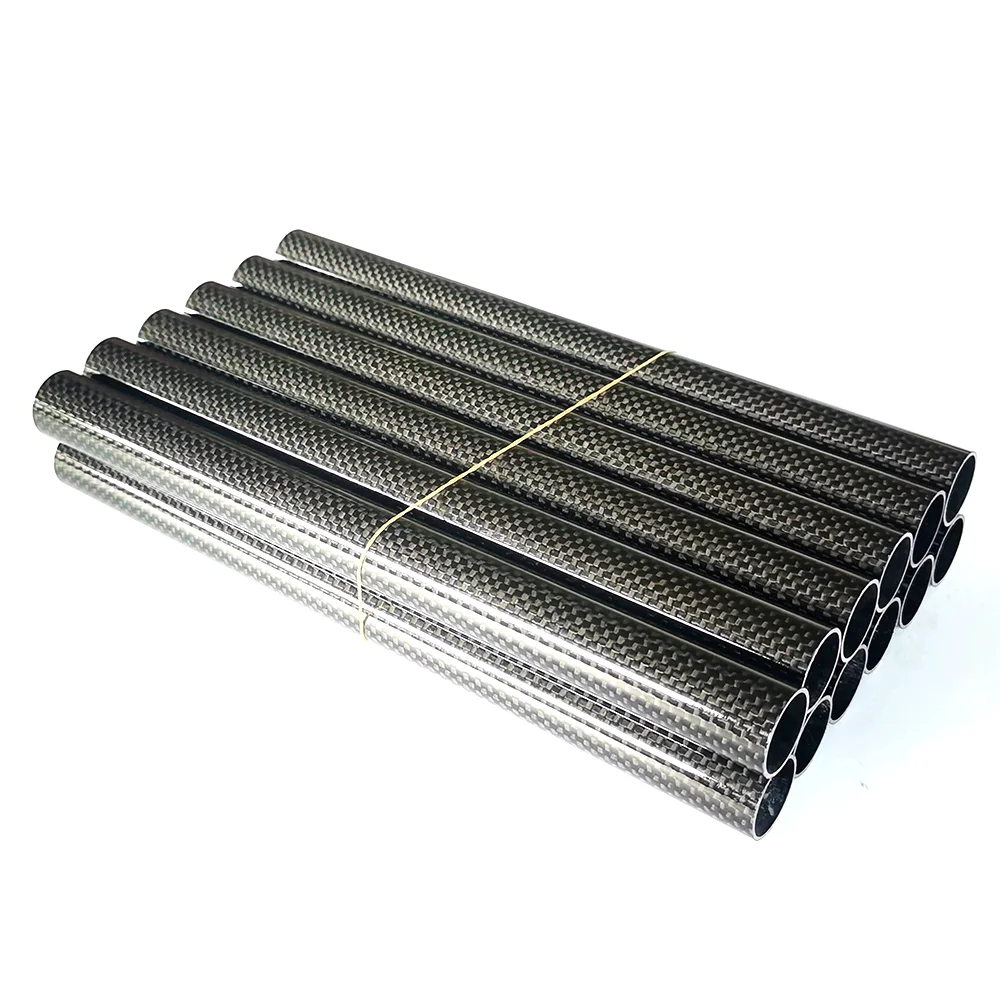
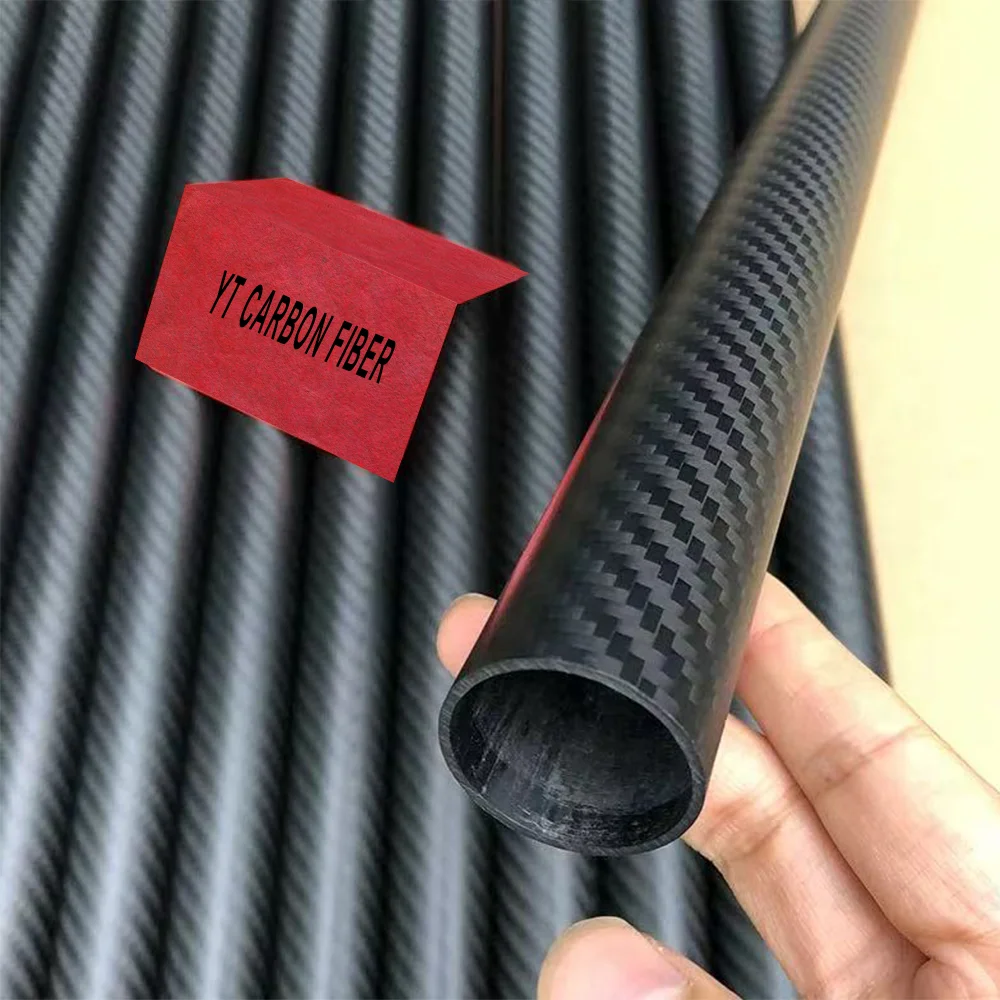
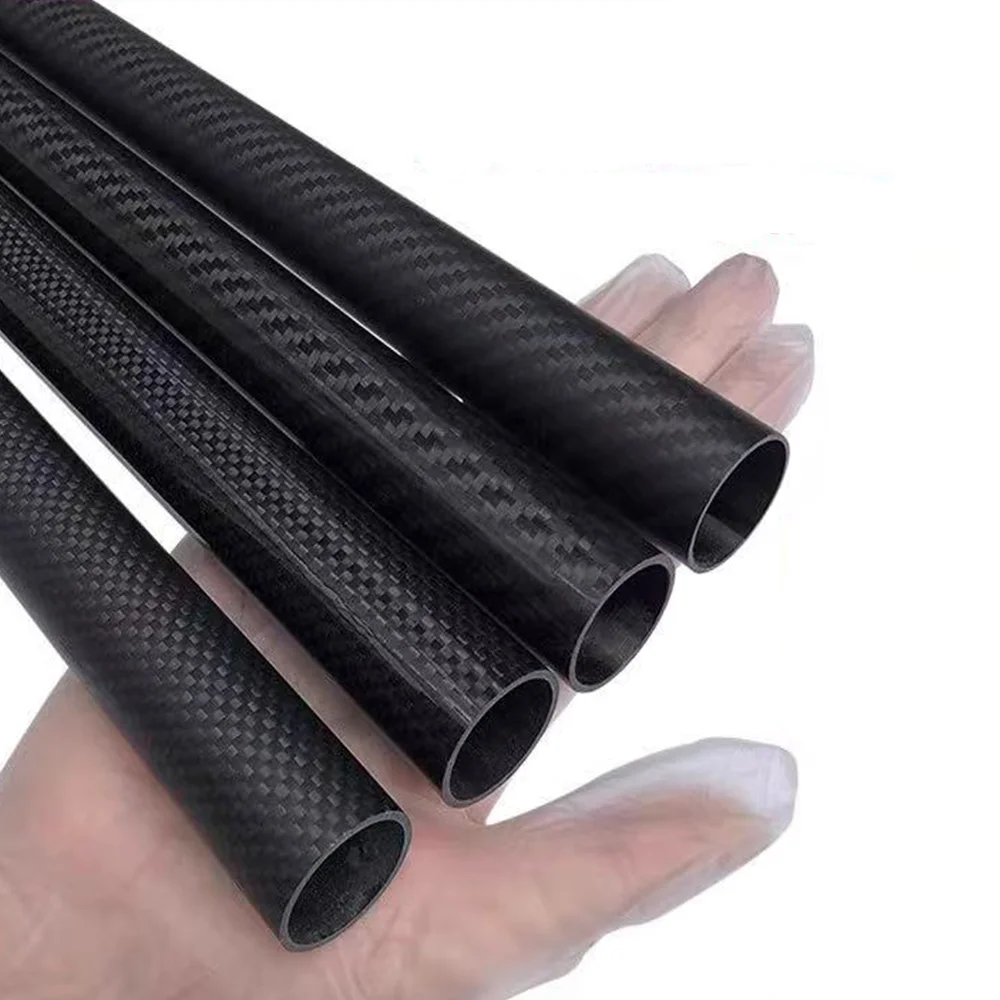
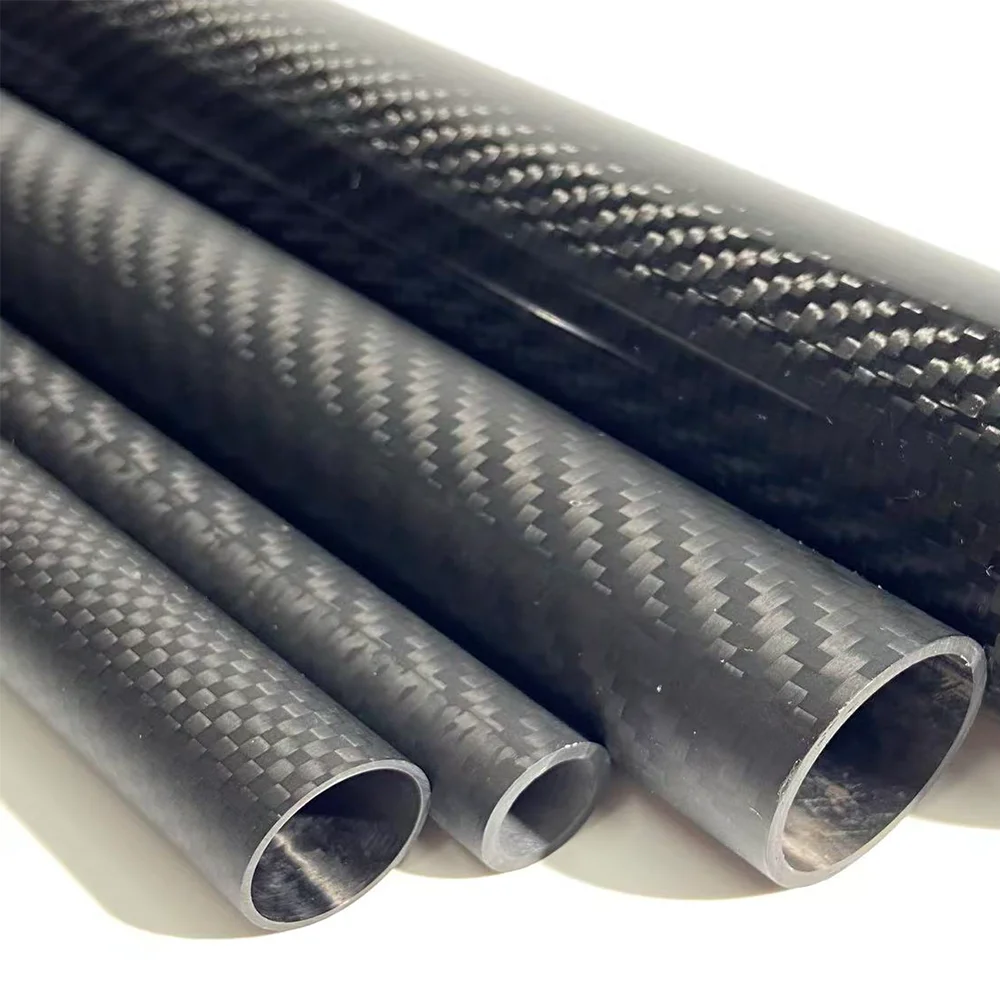
Beyond structural customization, roll wrapping delivers exceptional surface aesthetics. Because the outer layer utilizes a continuous fabric wrap rather than a die-formed skin, our process achieves consistent weave alignment entirely free of die marks or drag lines. Glossy tubes emerge with a deep, mirror-like resin finish, while matte tubes maintain a uniform low-gloss texture across their length. Therefore, when your projects involve visible components—such as camera rigs or display stands—this surface quality provides the definitive reason to choose roll-wrapped tubes over alternatives.
Factory-Direct Shenzhen Manufacturing Standards
We manufacture these carbon fiber tubes directly in our Shenzhen plant using mandrels ranging from 5mm to 200mm in diameter. Our facility supports both round and square cross-sections for global clients. Single-piece lengths reach approximately 4 meters based on mandrel size limits. Furthermore, our machinists grind every steel mandrel to a strict ±0.02mm tolerance. Because our database covers over 200 tested laminate schedules, we match your exact load case with proven configurations.
Specifications
| Specification | Details |
|---|---|
| Material | T300/T700/T800 carbon fiber pre-preg |
| Process | Roll-wrapped (mandrel-wound) |
| Cross-Section | Round / Square / Rectangular |
| Outer Diameter / Side | 5mm – 200mm |
| Wall Thickness | 0.5mm – 10mm (per-ply control) |
| Max Single-Piece Length | 4000mm (4 meters) |
| Layup Options | 0° / ±45° / 90° / hybrid combinations |
| Weave Options | 3K Twill / Plain / UD (inner) + Twill (outer) |
| Surface Finish | Glossy / Matte / One-side each |
| Fiber Volume Fraction | 60–65% |
| Density | 1.55–1.60 g/cm³ |
| OD Tolerance | ±0.05mm (standard) / ±0.02mm (ground) |
| Cure Temperature | 120°C (standard epoxy) |
| Mandrel Tolerance | ±0.02mm |
| Operating Temperature | -40°C to 120°C |
Applications
- Camera rigs and display stands — We design glossy 3K twill outer layers to elevate visual appeal. Specifically, our process eliminates surface blemishes, making roll wrapping ideal for professional AV hardware.
- High-performance RC and UAV components — We combine UD cores with twill outer shells to deliver targeted torsional stiffness. Furthermore, our team builds custom ply schedules tailored for every arm or spar.
- Precision telescoping assemblies — Our tight outer diameter tolerances (±0.05mm standard) ensure nested sections slide smoothly with minimal play. Consequently, telescoping devices operate with maximum reliability.
- Medical and scientific instruments — We document every ply orientation to guarantee full traceability. Roll wrapping delivers a highly repeatable laminate rather than an unpredictable statistical average.
- Custom mechanical prototypes — Engineers trust our roll-wrapped tubes because we build structures ply by ply without requiring expensive retooling between custom orders.
Why Choose YTCarbon
- One plant, full control. We cut, wrap, vacuum-bag, cure, and inspect every tube inside our Shenzhen facility. Consequently, we eliminate outsourced processes entirely, matching the standards we showcased at the 2025 World UAV Expo.
- 200+ tested laminate schedules. We base our recommendations on verified data. Our database covers torsion-optimized and bending-optimized configurations across all standard diameters.
- Ply-by-ply documentation. We ship every tube with complete layup records detailing ply counts, angles, and sequences to satisfy strict aerospace traceability mandates.
- ±0.02mm mandrel precision. We maintain strict dimensional accuracy by re-measuring our ground-steel mandrels after every 50 production cycles.
- Surface finish guarantee. We inspect every batch rigorously. If our quality team spots any outer layer defect, we remake the tube immediately before dispatch.
Certifications
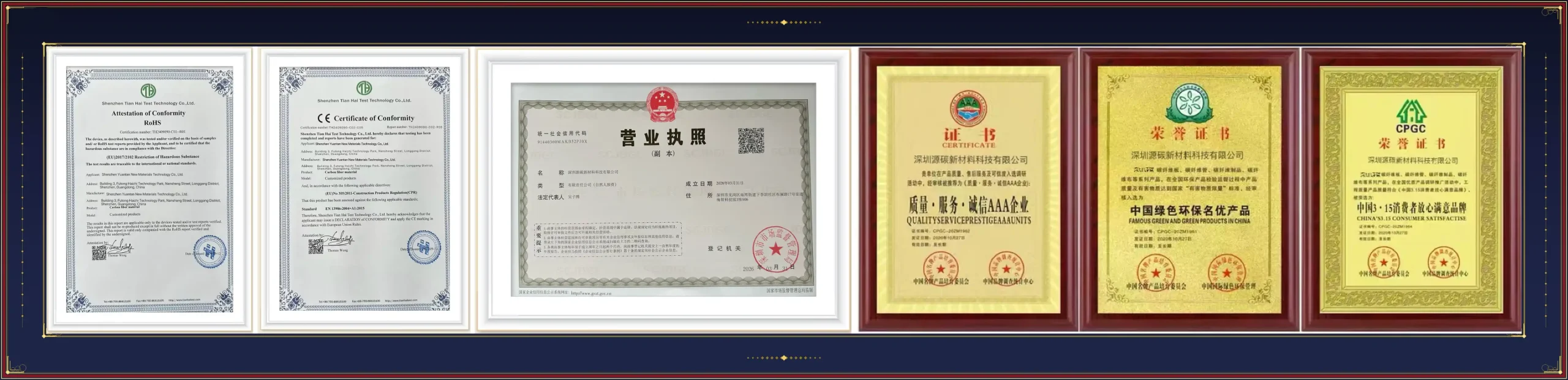
We attach fully documented quality credentials to every roll-wrapped carbon fiber tube we ship. Furthermore, our facility maintains ISO 9001 certification for quality management. In addition, our materials comply fully with RoHS and CE standards, giving international clients complete confidence when supplying regulated global markets.
How We Manufacture Your Tube
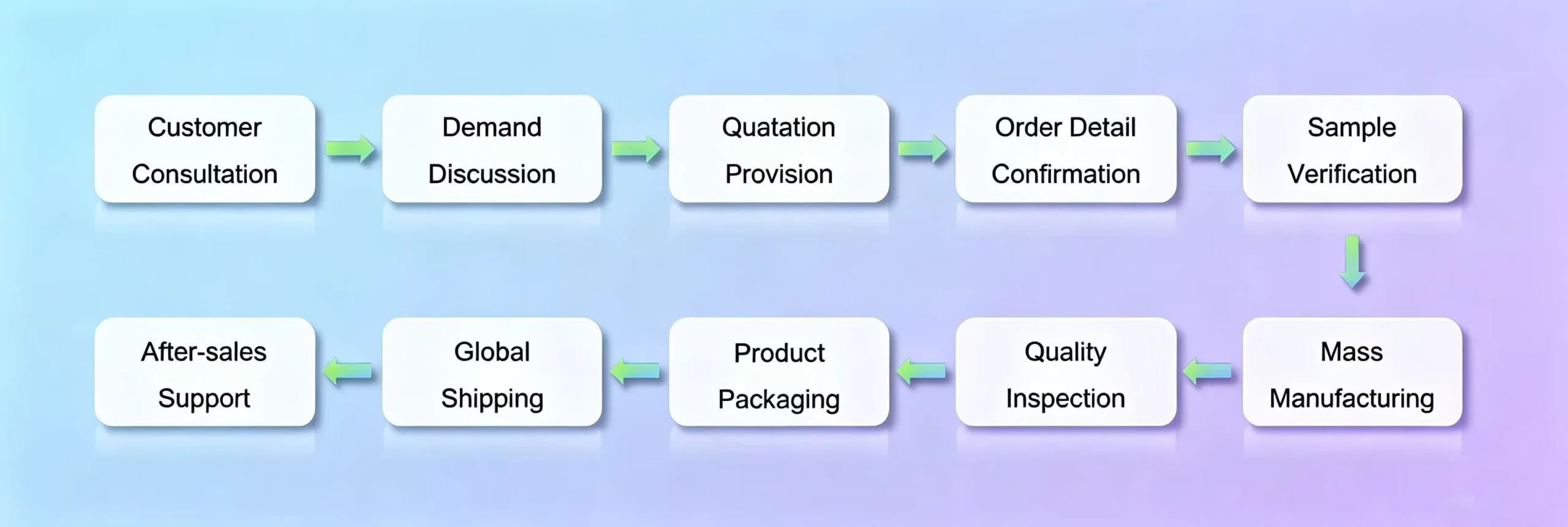
Our manufacturing workflow begins on a CNC cutting table where technicians slice prepreg fabric to exact angles. Specifically, we wrap these plies onto a steel mandrel and seal them inside a vacuum bag for 120°C oven curing. Afterwards, our operators demold the tube, trim it to length, and verify outer diameters across multiple cross-sections. Finally, we inspect surface finishes before archiving complete batch records.
Frequently Asked Questions
+ What is the difference between roll wrapped and pultruded carbon fiber tubes?
+ Can I specify a custom laminate schedule for a roll wrapped tube?
+ Why does a roll wrapped carbon fiber tube have better surface finish?
+ What is the maximum length for a roll wrapped carbon fiber tube?
+ How do you ensure ply alignment and avoid wrinkles in roll wrapping?
Need a Custom Roll Wrapped Carbon Fiber Tube?
Custom laminate schedule, surface finish, and cross-section. Ply-by-ply documentation on every order. Factory direct from Shenzhen.