Product Details
Unidirectional Fiber Orientation for Maximum Axis Strength
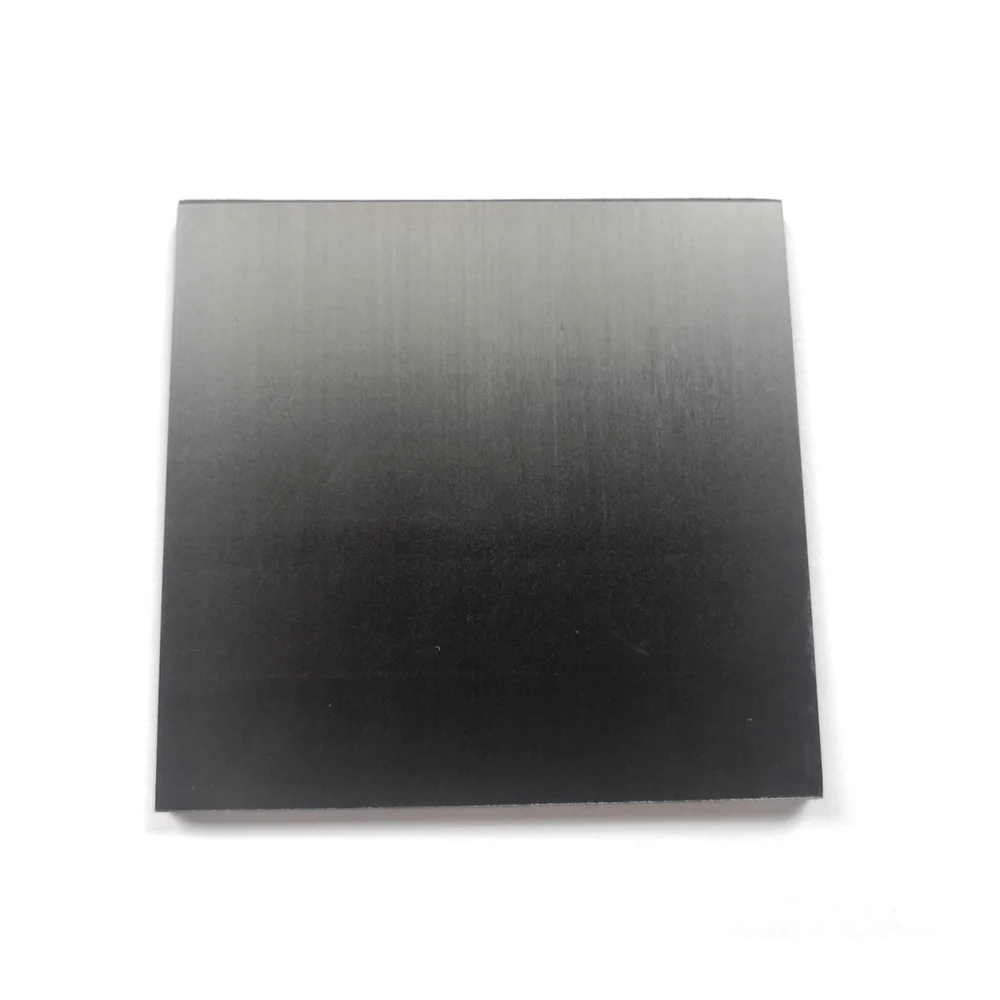
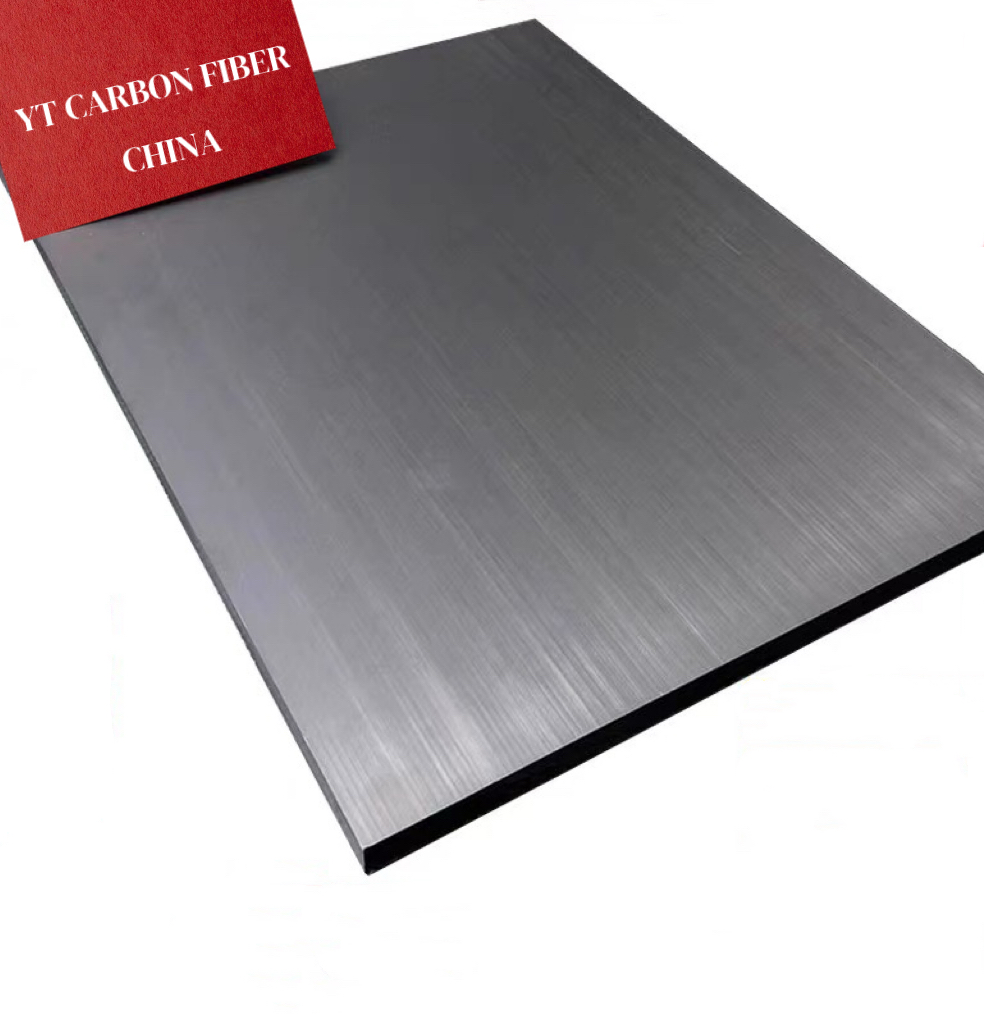
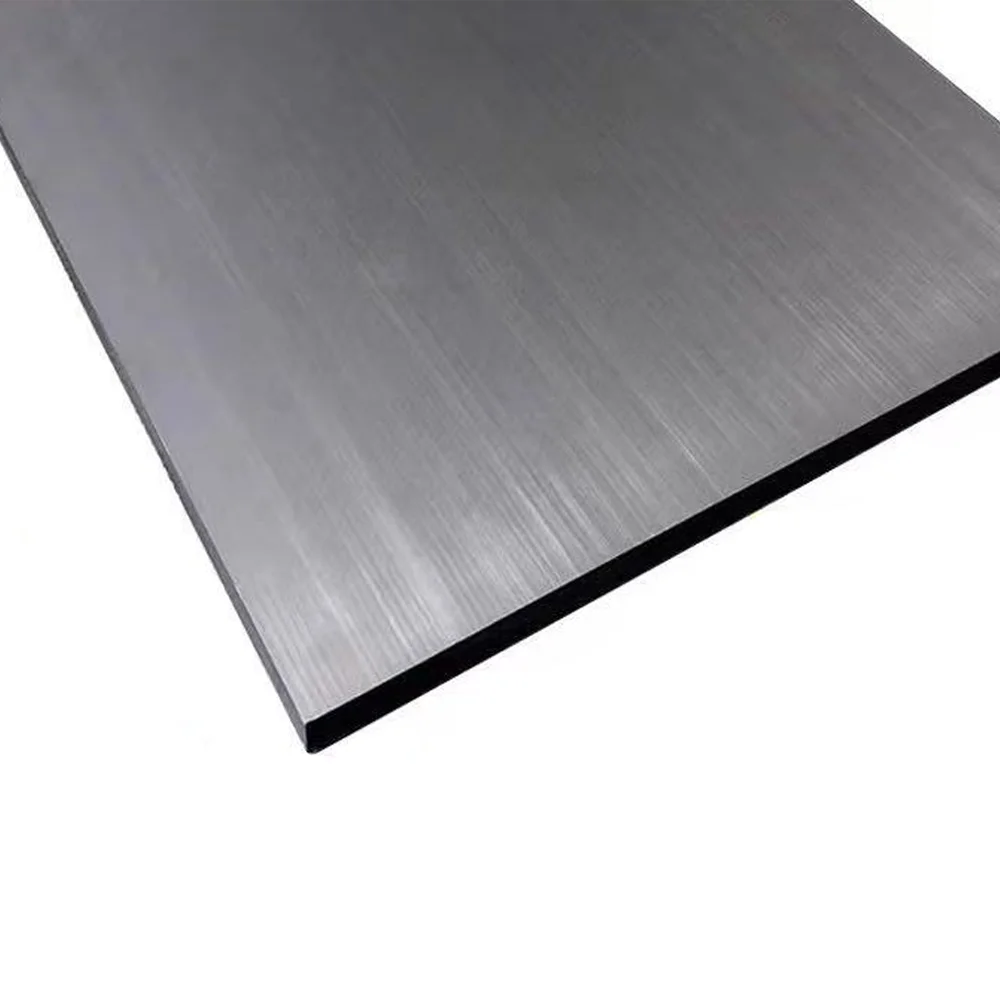
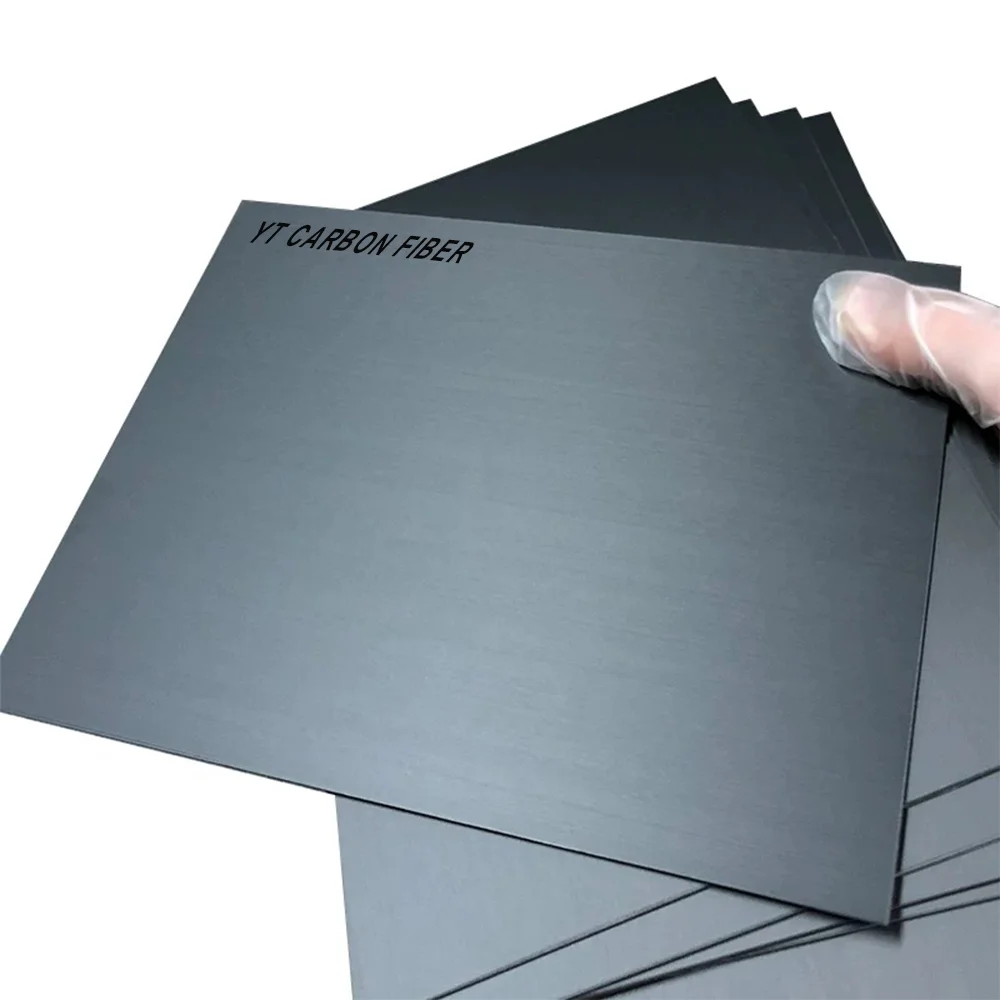
A UD carbon fiber sheet places every fiber in a single direction, fundamentally changing how performance behaves. Where woven fabrics split their strength between 0° and 90°, unidirectional construction concentrates it entirely along one axis. Consequently, this produces a laminate with significantly higher tensile modulus and strength in the designated fiber direction compared to any woven alternative of equivalent weight. For structural engineers calculating stress and designing for specific load paths, UD serves as the optimal starting point.
Customizable Ply Stacking Sequences
The true structural advantage emerges when stacking UD plies at targeted angles. For instance, a [0/90/0/90] layup yields balanced bi-directional strength with heightened 0° performance, while a [0/45/90/-45] quasi-isotropic stack delivers predictable multi-axis behavior. Furthermore, an all-0° [0₈] layup achieves the highest possible strength for spar caps and beam flanges. We support fully custom ply stacking sequences—clients can provide specific load cases for expert layup recommendations or supply exact stacking codes for precision manufacturing.
Comprehensive Specifications and Precision Machining
We supply UD sheets in fiber grades ranging from T300 through T1000, spanning thicknesses from 0.2mm to 50mm+ and large single-piece sizes up to 3m×8m. In addition, we accommodate custom ply orientations, mixed-grade stacks (such as T700 at 0° combined with T300 at ±45°), and advanced CNC machining with tight ±0.05mm tolerances.
Specifications
| Specification | Details |
|---|---|
| Material | 3K Toray T300 / T700 / T800 / T1000 carbon fiber (unidirectional) |
| Fiber Direction | Unidirectional (0°) / Custom ply angles available |
| Layup Options | [0₈], [0/90]ₛ, [0/±45/90]ₛ, Custom stacking sequence |
| Thickness | 0.2mm – 50mm+ (custom) |
| Max Sheet Size | 3000mm × 8000mm |
| Standard Sizes | 500×500mm / 600×600mm / 1000×1000mm |
| Custom Sizes | Available on request |
| Fiber Volume Fraction | 60-68% |
| Resin System | Epoxy (120°C cure) |
| Surface Finish | Matte / Glossy (surface veil optional) |
| Density | 1.55-1.62 g/cm³ |
| 0° Tensile Strength | ≥ 4500 MPa (T700, [0₈]) |
| 0° Tensile Modulus | ≥ 230 GPa (T700, [0₈]) |
| Operating Temperature | -40°C to 120°C |
Applications
- Aerospace spar caps and stringers — UD laminates effectively carry intense bending loads in wing spars, fuselage stringers, and tail booms.
- Wind turbine blade roots — Large blade spar caps utilize optimized UD stacks to maintain structural rigidity and minimize fatigue cycles under dynamic aerodynamic loads.
- Structural reinforcement strips — High-modulus UD panels bonded directly to concrete, steel, and timber structures significantly multiply load capacity.
- Sports and racing components — F1 suspension arms, bicycle frame tubes, and sailing masts leverage anisotropic designs to direct maximum stiffness precisely where engineered.
Why Choose YTCarbon
- One plant, full control. We press UD sheets from raw tow, control every ply angle, and execute in-house CNC machining to guarantee uncompromised quality.
- Custom stacking sequences. We strictly execute your provided stacking codes or engineered mixed-grade specifications down to the exact ply.
- Up to 68% fiber volume fraction. Optimized UD prepreg packing delivers higher fiber density and superior stiffness without the crimp losses inherent in woven alternatives.
- ISO 9001 certified. Comprehensive directional property reports and ply orientation traceability accompany structural batches upon request.
Certifications
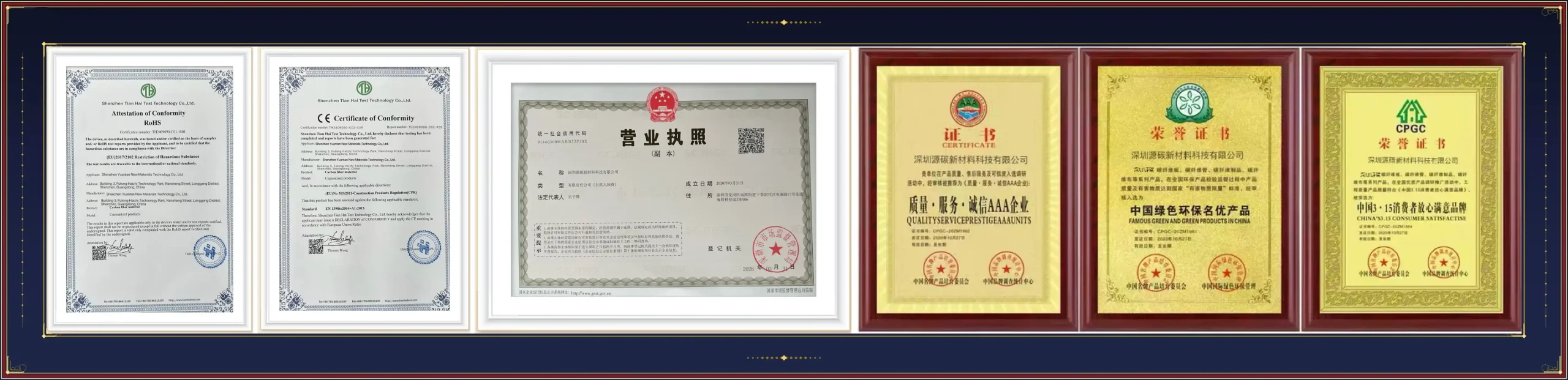
Every sheet we ship carries documented quality credentials. Our facility holds ISO 9001 certification for quality management, and our carbon fiber materials are RoHS and CE compliant, ensuring seamless compliance for international markets.
How to Order
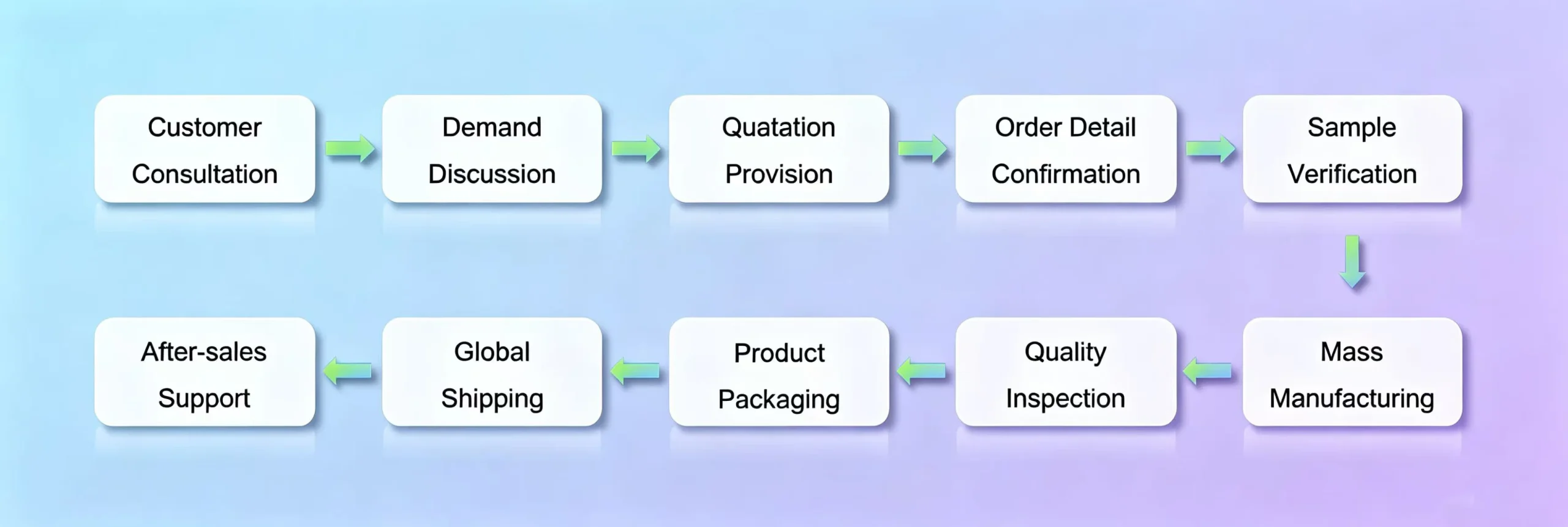
Working with our direct factory team eliminates middleman markups. Simply submit your thickness, size, quantity, ply stacking sequence, and CNC specs to receive a comprehensive quote within 24 hours. Afterwards, we manufacture, inspect, and dispatch your order securely.