
Product Details
The Structural Integrity of Plain Weave
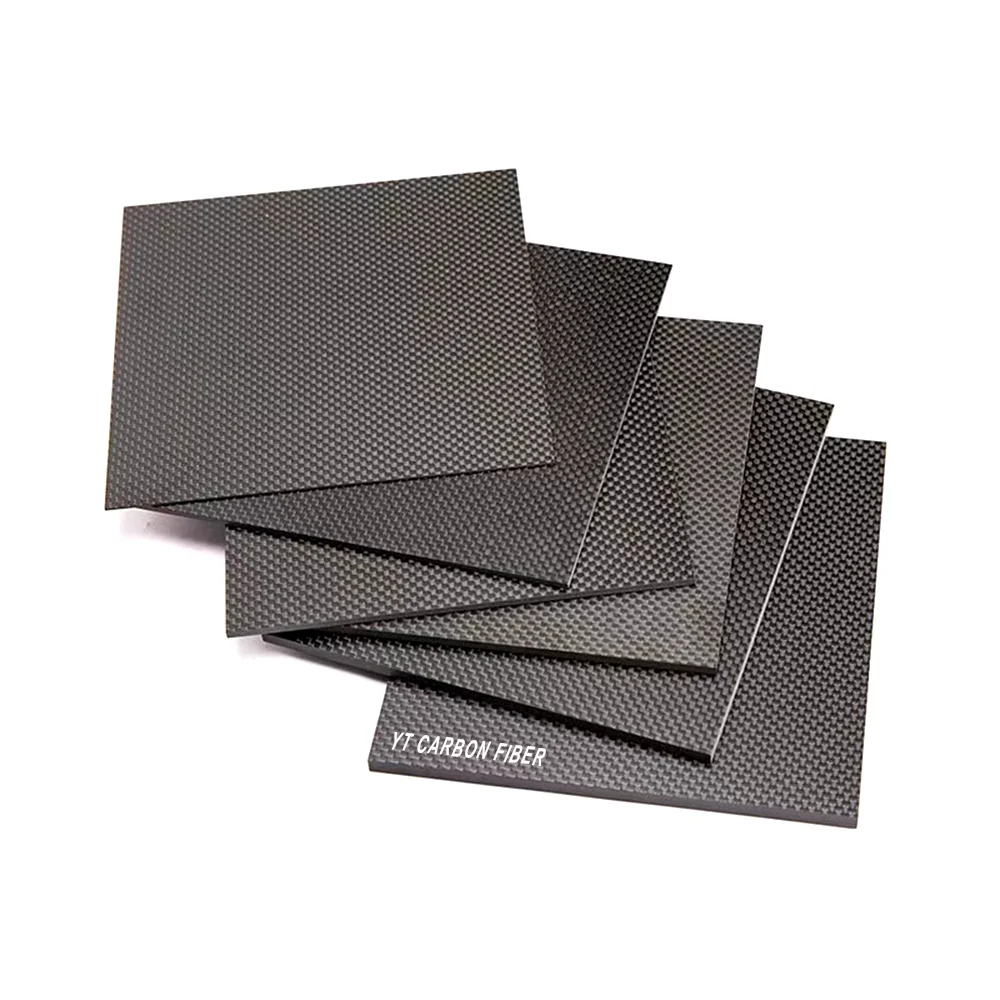
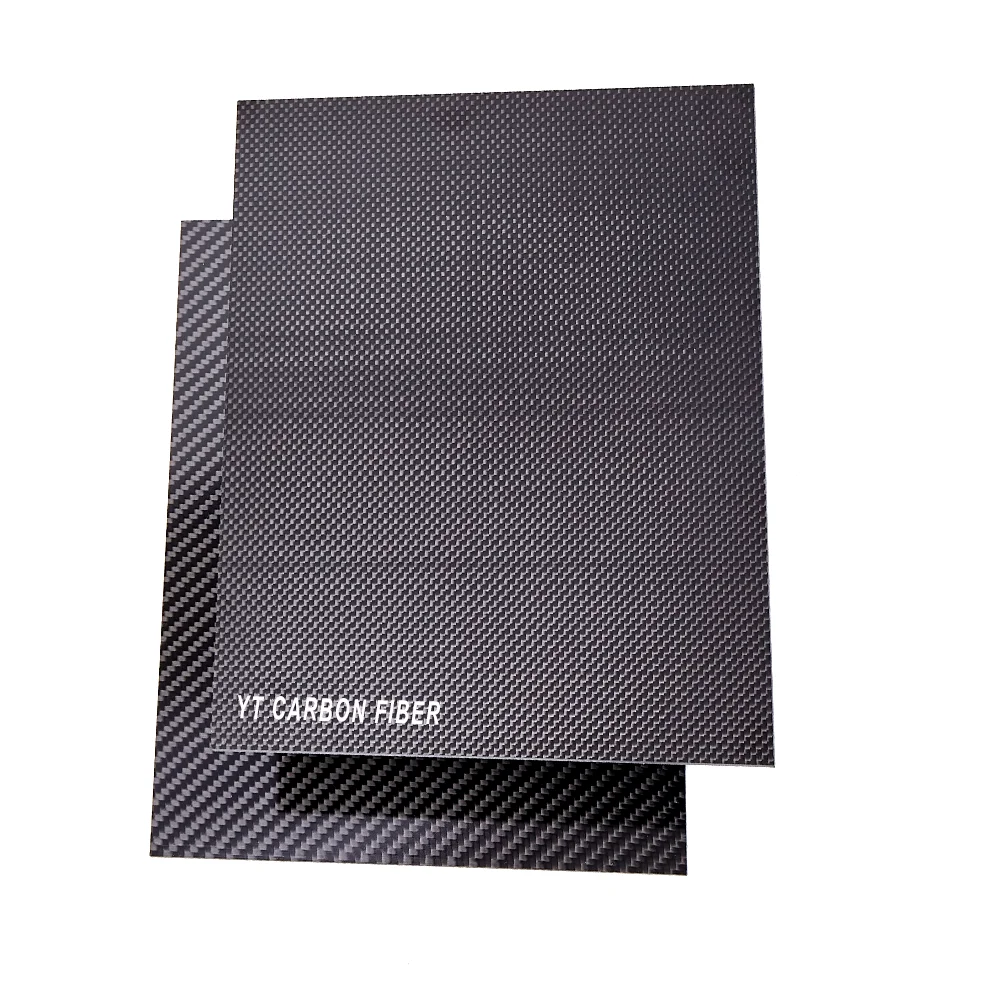
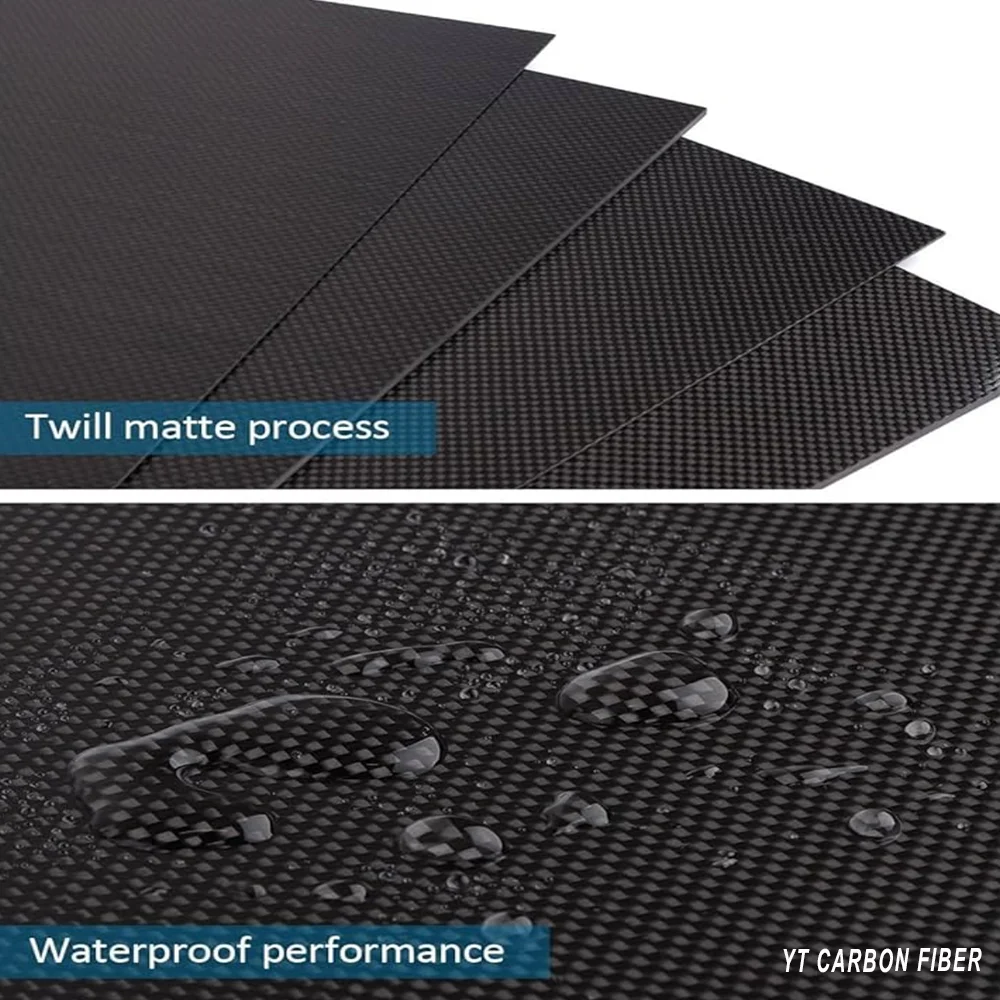
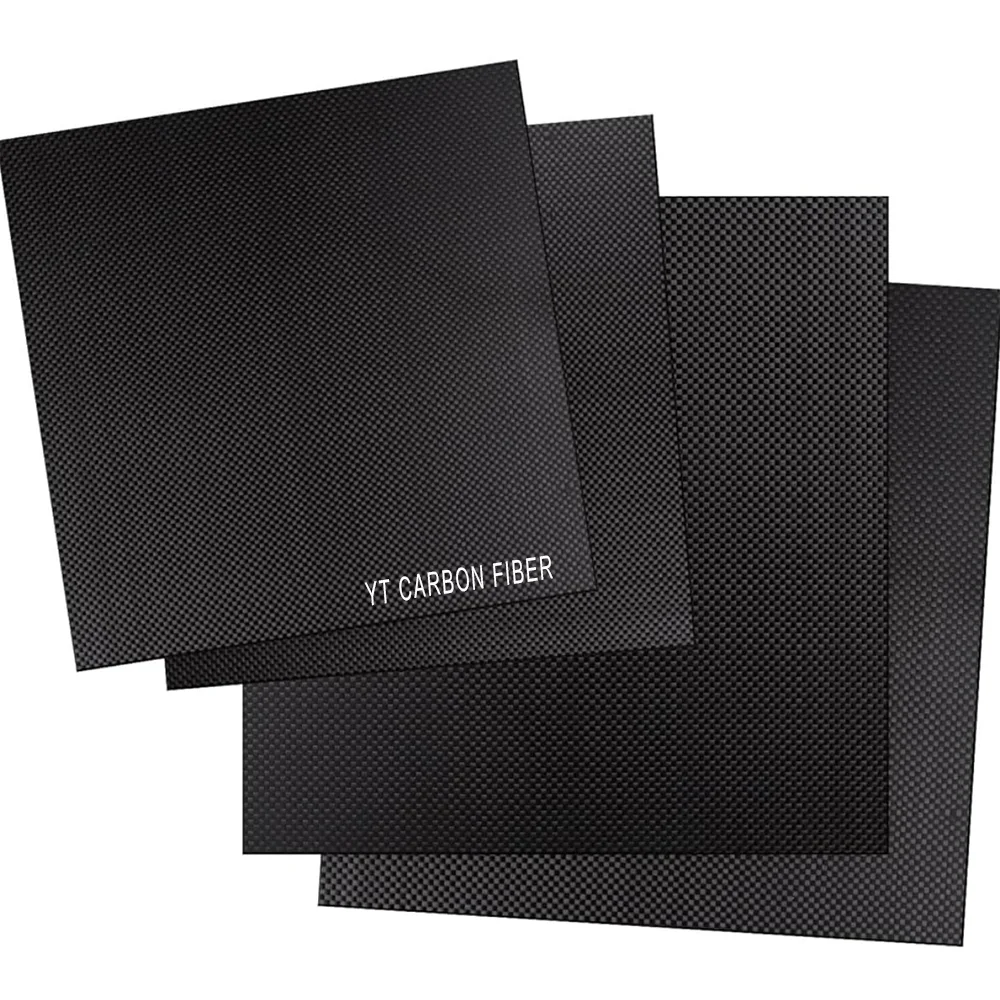
A plain weave carbon fiber sheet looks distinct from twill and behaves differently under load. Specifically, its over-under pattern creates a tight checkerboard grid rather than diagonal lines. Furthermore, this structure offers lower crimp, balanced stability at 0° and 90°, and predictable dimensional behavior. Therefore, whenever panels require absolute flatness and stability over aesthetics, plain weave becomes the professional engineer’s choice.
Reduced Crimp and Higher In-Plane Stiffness
Crimp significantly influences performance. In twill weaves, fiber bundles pass over two tows, introducing subtle waviness. In contrast, plain weave alternates every single crossing to create shorter floats and a tighter lock. Consequently, you receive a carbon fiber plate with higher in-plane stiffness and superior resistance to fiber straightening under tension. In addition, parts maintain tight dimensional tolerances under heavy load.
Cost-Effective Manufacturing and Full Customization
Plain weave also reduces production overhead. Its simpler pattern runs faster on looms, while the tighter interlock minimizes resin pooling. Moreover, these savings pass directly to you while matching twill’s mechanical performance at a lower price point. We supply 1K and 3K tow sizes across T300 to T1000 grades, spanning thicknesses from 0.2mm to 50mm+ and sizes up to 3m×8m.
Specifications
| Specification | Details |
|---|---|
| Material | 3K Toray T300 / T700 / T800 / T1000 carbon fiber |
| Weave Pattern | 1K Plain / 3K Plain |
| Thickness | 0.2mm – 50mm+ (custom) |
| Max Sheet Size | 3000mm × 8000mm |
| Standard Sizes | 500×500mm / 600×600mm / 1000×1000mm |
| Custom Sizes | Available on request |
| Fiber Volume Fraction | 60-65% |
| Resin System | Epoxy (120°C cure) |
| Surface Finish | Matte / Glossy |
| Density | 1.55-1.60 g/cm³ |
| Tensile Strength | ≥ 3500 MPa |
| Flexural Strength | ≥ 1200 MPa |
| Operating Temperature | -40°C to 120°C |
Applications
- Precision tooling and fixtures — Plain weave plates offer dimensional stability under heavy clamping loads. Furthermore, they serve reliably as fixture plates and alignment jigs.
- Structural panels with balanced loading — When loads distribute equally across directions, this balanced weave delivers predictable performance. In addition, it suits bulkheads and shear webs.
- Electronics enclosures and EMI shields — The fine grid pattern of 1K plain weave delivers uniform surface conductivity. Consequently, it works well in RF enclosures and EMI-shielded housings.
- Cost-sensitive structural applications — Plain weave maintains equal strength at a lower cost than twill, providing an economical high-performance alternative.
Why Choose YTCarbon
- One plant, full control. We press our plain weave sheets directly from raw tow in our facility, eliminating trading intermediaries. As showcased at the 2025 World UAV Expo, we deliver genuine factory quality.
- 1K and 3K plain weave available. We stock both fine 1K grids for electronics and bold 3K checkerboards to suit diverse structural and visual requirements.
- 3m × 8m max sheet size. We maintain one of China’s largest press capabilities, delivering large structural panels without splicing joints.
- Lower cost than twill. Faster loom speeds and lower resin waste let us pass manufacturing savings directly to our clients without compromising mechanical strength.
Certifications
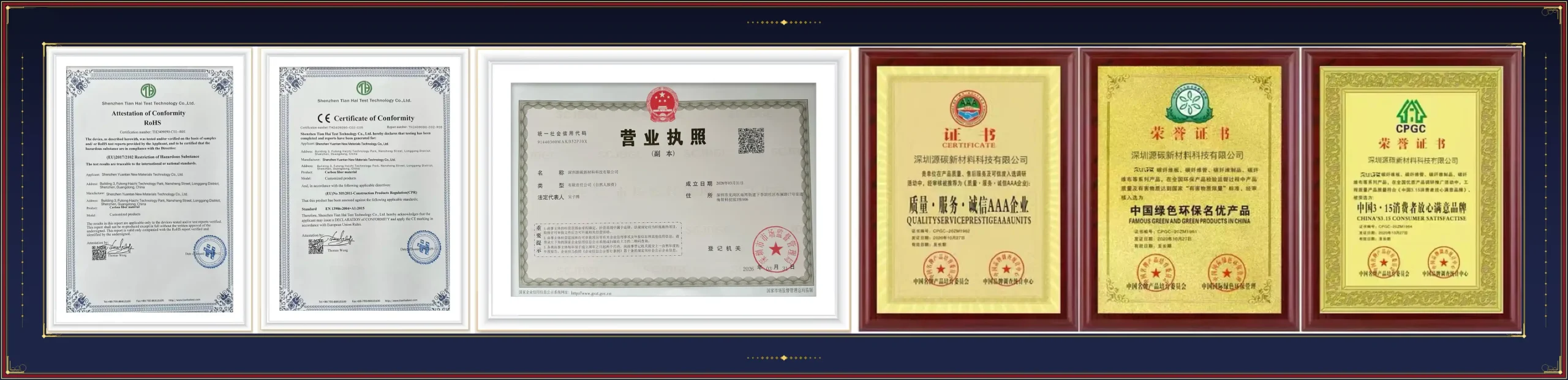
Every sheet we ship includes fully documented quality credentials. Furthermore, our facility operates under an ISO 9001 certified quality management system. In addition, our materials comply fully with RoHS and CE directives, ensuring seamless regulatory compliance for global markets.
How to Order
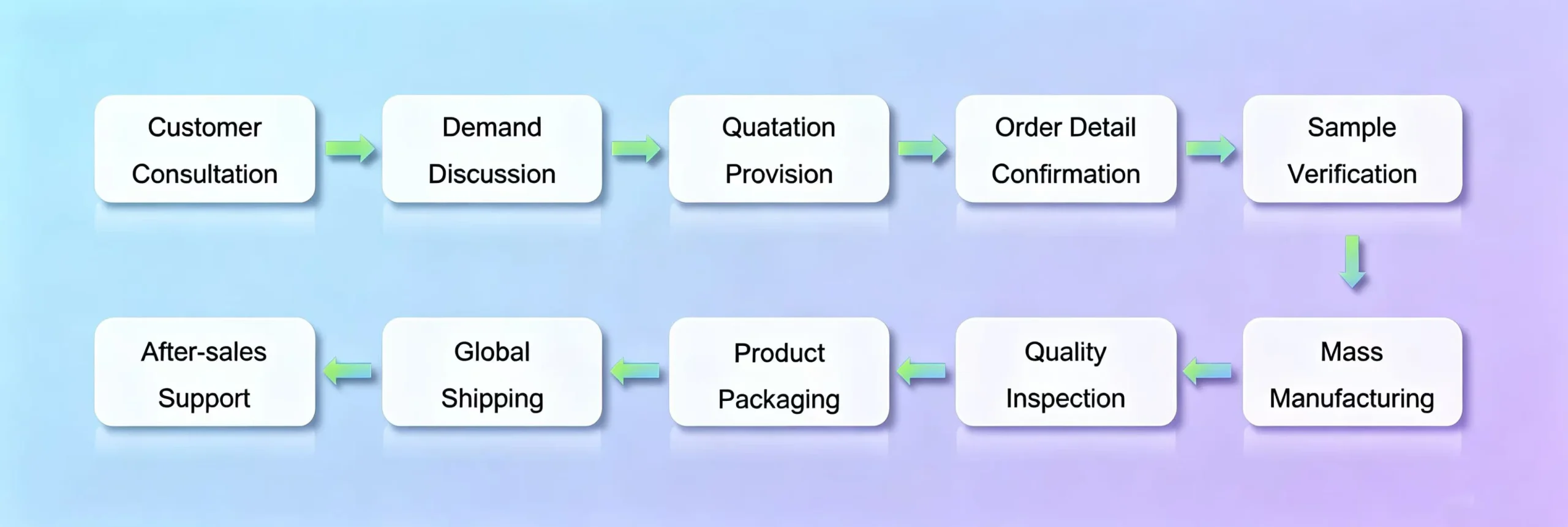
Working with our factory-direct team eliminates middleman markups. Simply submit your requirements—including thickness, size, quantity, and tow size—to receive a comprehensive quote within 24 hours. Afterwards, we manufacture, inspect, and dispatch your order securely.
Frequently Asked Questions
+ What’s the real difference between plain weave and twill carbon fiber?
+ Is plain weave carbon fiber weaker than twill?
+ What’s the difference between 1K and 3K plain weave?
+ Why is plain weave more dimensionally stable than twill?
+ Is plain weave suitable for curved or molded parts?
Need a Plain Weave Carbon Fiber Sheet?
Balanced stability, lower cost than twill, same strength. 1K and 3K plain weave available in T300-T1000. Custom sizes and CNC machining. Contact us with your requirements.