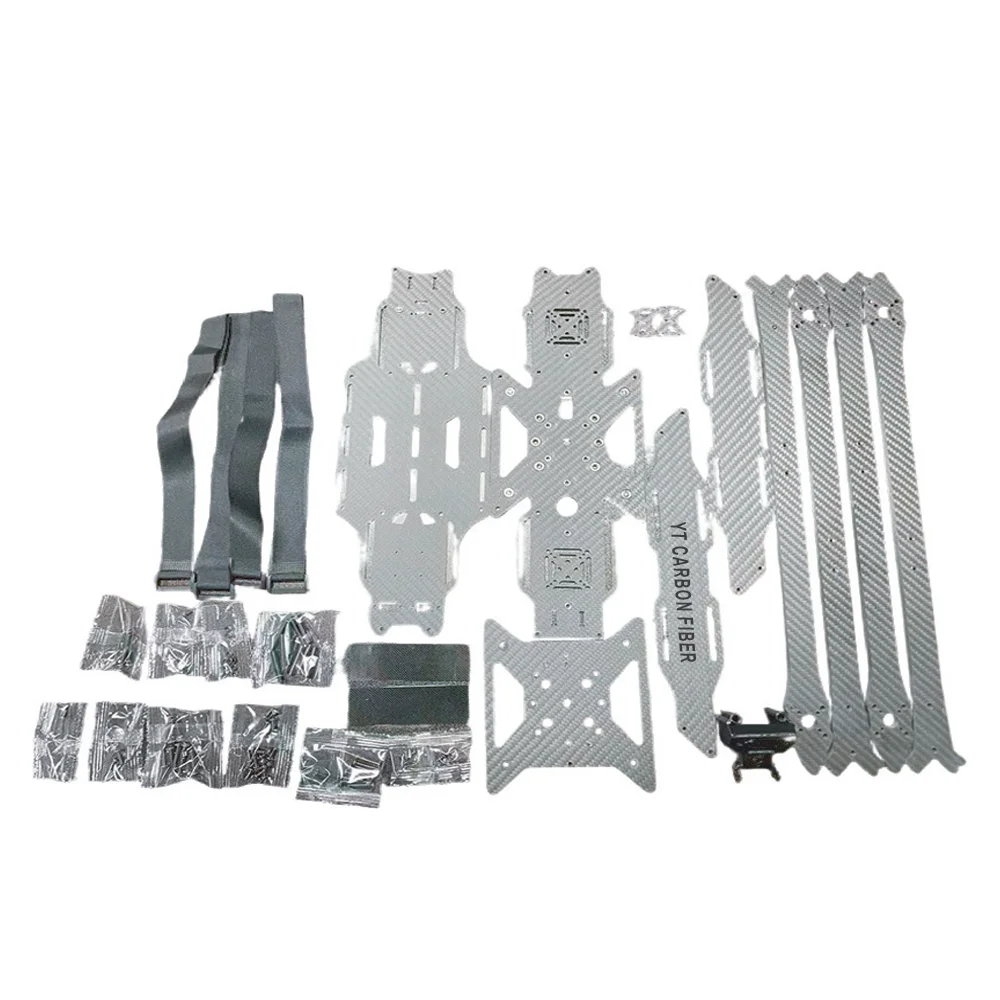
Product Details
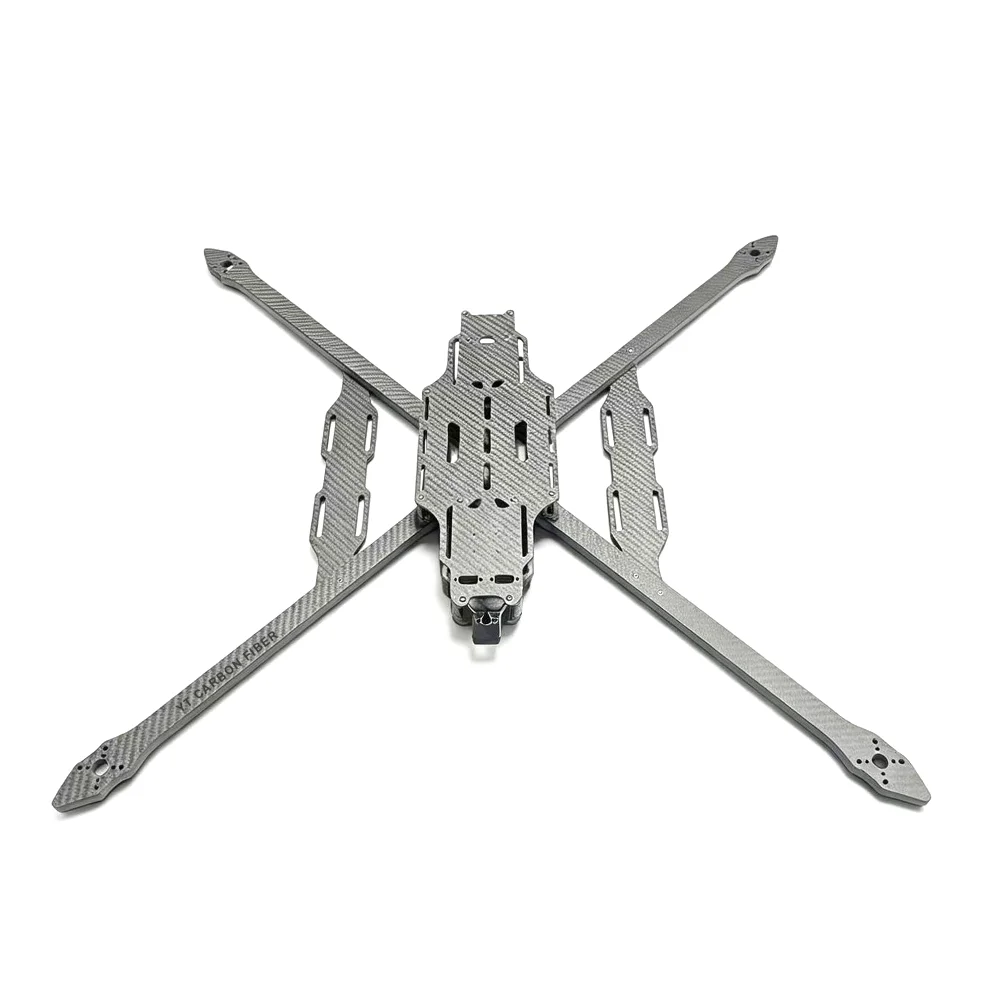
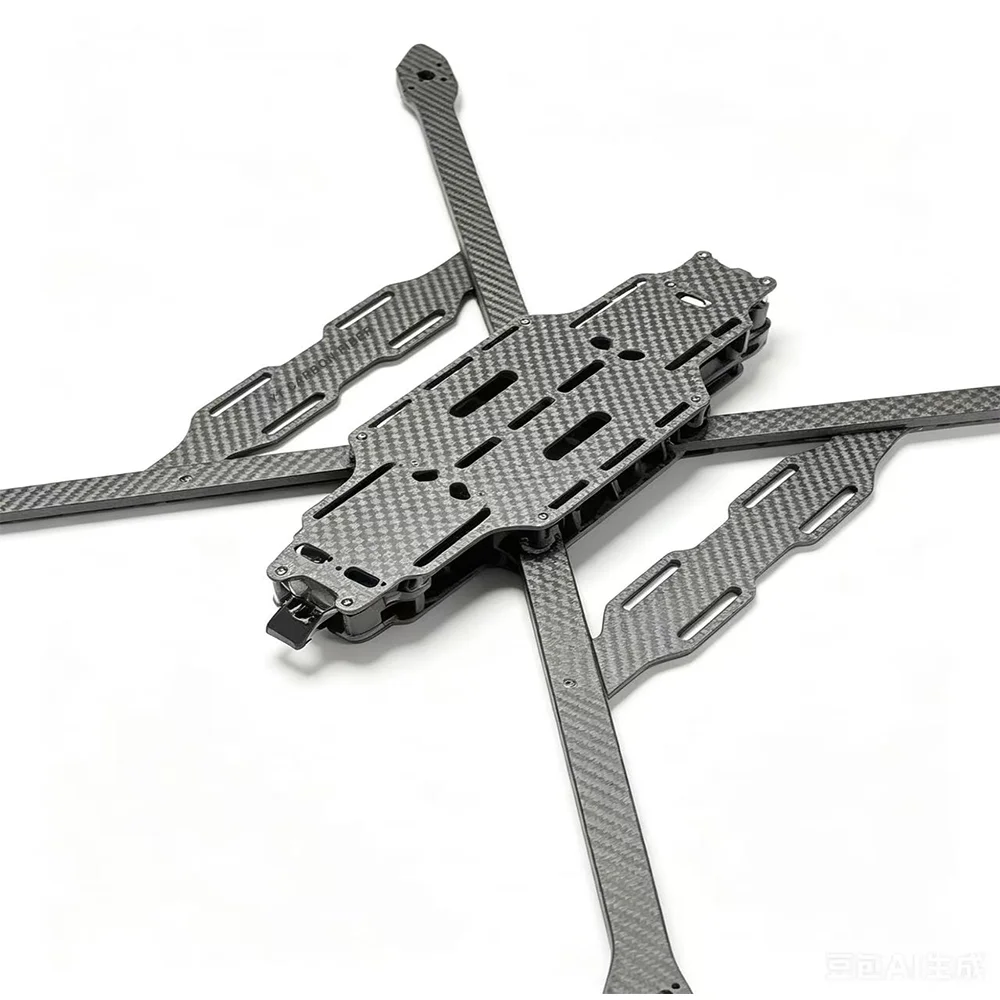
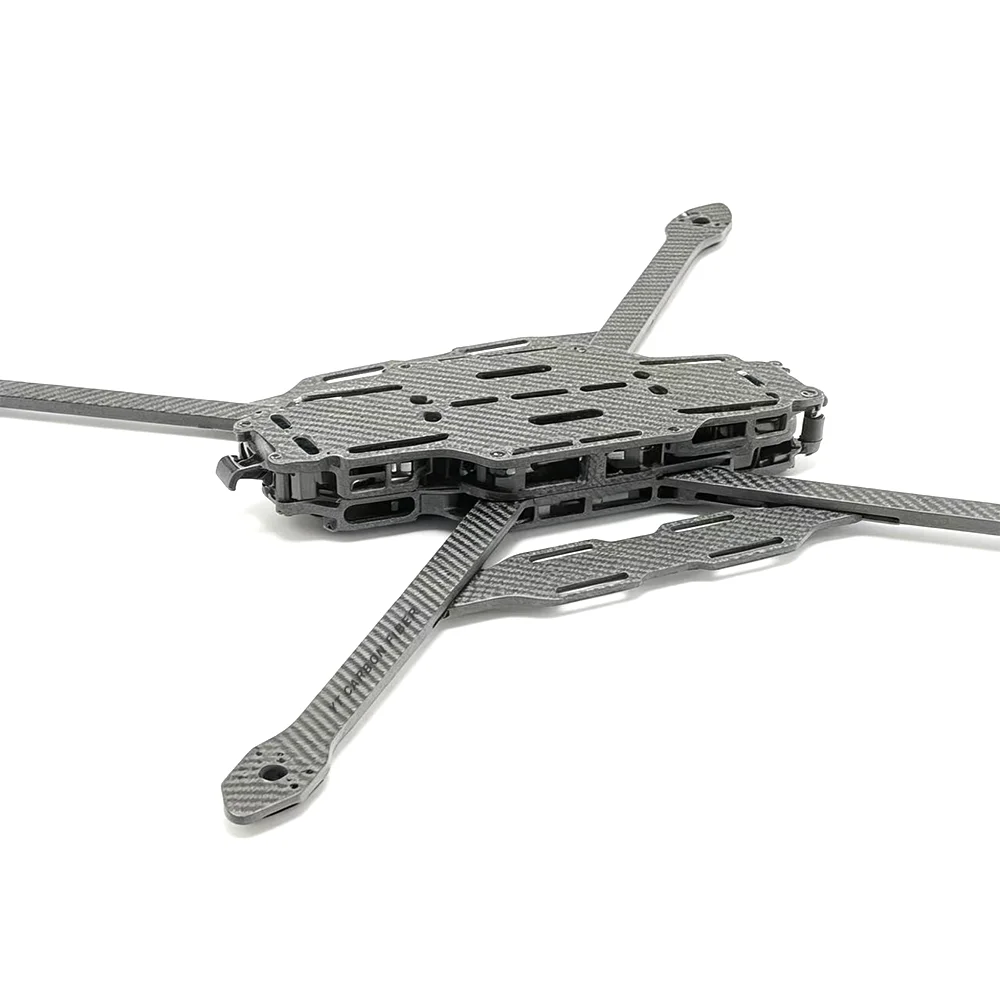
The Ares 18 inch carbon fiber drone frame. 815mm wheelbase. 1090g. 18-inch props. This is the biggest frame we build — the top of the Ares lineup and the largest in our catalog. If your operation needs more span than this, you’re not buying off the shelf anymore. The Ares 18 inch carbon fiber drone frame exists for the jobs that don’t have a smaller option: maximum-payload logistics, heavy sensor installations, long-endurance relay platforms, and any application where the frame has to carry everything else and still come home intact.
Why the Ares 18 Inch Carbon Fiber Drone Frame Runs 18-Inch Props
Structurally, the 18-inch shares its blueprint with the 17-inch — 10mm arms, 4mm bottom plate, 2mm side plates, Wide X-type geometry. The difference is 40mm of wheelbase (815mm vs 775mm) and 30g of weight (1090g vs 1060g). That 40mm buys you 18-inch prop clearance instead of 17-inch, which matters more than you’d think. Eighteen-inch props are the efficiency ceiling for this class — they move more air per revolution than anything smaller, which means lower cruise RPM, less motor heat, and longer flight time per watt. When your battery budget is measured in dollars per flight, that efficiency gap pays for the frame.
Side Plate Reinforcement on the Ares 18 Inch Frame
The 2mm side plates are there for the same reason they’re on the 17-inch: at this wheelbase, the arm span creates enough leverage that a side-plate-free structure would develop torsional flex under full payload. The side plates eliminate that. They also give you more mounting surface — dual GPS masts, multiple radio antennas, companion computer brackets, all bolted to the side plates with clean cable routing back to the center stack. On a frame this size, mounting space is as valuable as structural rigidity.
Specifications
| Specification | Details |
|---|---|
| Model | Ares 18 Inch |
| Wheelbase | 815mm |
| Dimensions | 632 × 632 × 45mm |
| Frame Weight | 1090g (frame only) |
| Frame Design | Wide X-Type |
| Arm Material | 10mm 3K T300 carbon fiber |
| Bottom / Middle Plate | 4.0mm 3K carbon fiber |
| Top Plate | 2.0mm 3K carbon fiber |
| Side Plate | 2.0mm 3K carbon fiber |
| Camera Side Plate | — |
| Prop Size | 18 inch |
| Motor Mount | 16×16mm / 19×19mm |
| FC Mounting | 20×20mm / 25.5×25.5mm / 30.5×30.5mm |
| Camera Mount | 19mm / 20mm micro FPV camera |
Package Includes
- Full set of 3K carbon fiber plates (arms, bottom/middle/top plates, side plates)
- Aluminum standoffs
- Stainless steel screws and hardware
- Arm soft mounts (vibration damping)
- Battery pad
- Battery strap
Applications
- Flagship survey and mapping — 18-inch props deliver maximum area coverage per flight hour. When you’re mapping hundreds of hectares, the efficiency gain over 15 or 17-inch props compounds into real time and cost savings across the project
- Heavy relay and communication platforms — Mount communication relay equipment, signal boosters, or temporary base stations. The 815mm wheelbase gives you the bay space and the 4mm plate gives you the mounting foundation for hardware that has to stay airborne for hours
- Maximum-payload logistics — When your cargo delivery prototype needs the largest prop diameter available to lift the heaviest payload, 18-inch is the ceiling. The 1090g frame weight is a small fraction of what this platform can carry
- Special operations and defense — 10mm arms, 4mm bottom plate, side plate reinforcement, 815mm span. The structural margins are there for demanding environments. We can provide documentation for certification and compliance review
Why Choose YTCarbon
- We make the carbon from raw fiber. 3K T300 enters our facility, gets pressed into sheet, and gets CNC machined into your Ares 18 inch carbon fiber frame — all in one plant. No trading companies in the chain, no unknown quality, no batch-to-batch variance. We exhibited at the 2026 World UAV Expo — see what a real carbon fiber factory puts on the table
- 4mm plate, one piece of carbon. Not thinner sheets glued together. One solid 3K carbon fiber plate per component, machined with deburred edges and chamfered corners that eliminate stress risers before they leave our shop
- No MOQ. One frame for proof-of-concept, fifty for pilot deployment, a thousand for full-scale operations. Same material, same CNC program, same quality inspection at every quantity level
- ISO 9001 certified quality. Independently audited management system. Material Test Reports and full traceable documentation available for your certification and compliance needs
- Prove it before you scale it. Get a sample at cost. Build it, load it, fly your test program. Order production volume when your data confirms the frame meets your requirements — not when a brochure tells you it should
Certifications
Every frame we ship is backed by documented quality credentials. We hold ISO 9001 certification for our quality management system, and our carbon fiber materials carry RoHS and CE compliance — which matters if you’re reselling into the EU or supplying customers who need traceable documentation. Need a copy for your records? Just ask and we’ll send the PDF.

How We Manufacture Your Frame
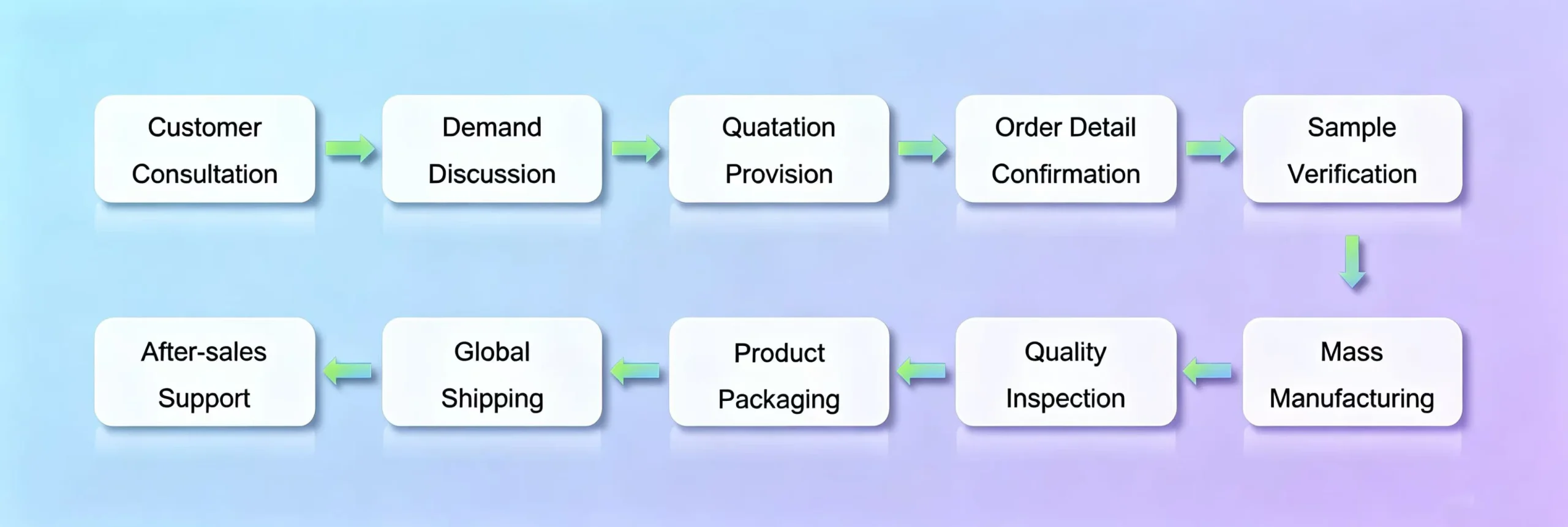
A lot of frame sellers can’t tell you how their product gets made because they don’t make it — they buy it from a supplier who buys it from another supplier. We’re different. The process below shows what actually happens inside our facility: raw 3K T300 carbon fiber comes in, we lay it up and press it into sheet, then our CNC machines cut every plate and arm to spec. After machining, each part gets a visual and dimensional inspection before it goes into the package.
Frequently Asked Questions
+ Why choose the Ares 18-inch over the 17-inch drone frame?
+ Is 1090g practical for a production industrial drone?
+ What motor mount patterns does the Ares 18-inch support?
+ Why does this carbon fiber drone frame include 2mm side plates?
+ What flight controllers fit the Ares 18-inch center stack?
Need an Ares 18 Inch Carbon Fiber Drone Frame?
815mm wheelbase. 1090g structural carbon. Built for maximum payload and 18-inch prop efficiency. Contact us for factory direct pricing.