Product Details
Full-Depth Countersinking Without Laminate Weakening
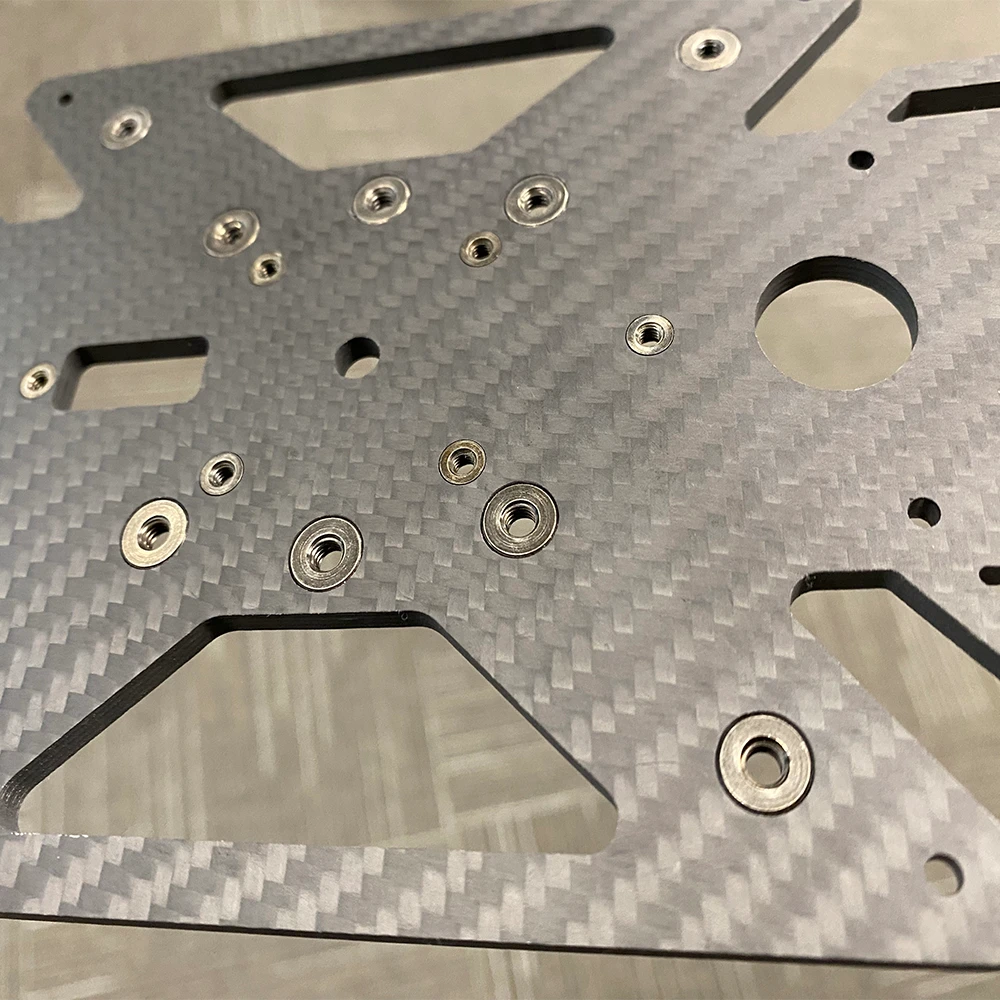
Precision robotics end-effectors, linear guide transitions, and aerodynamic surfaces demand perfectly flush fastener seating to eliminate mechanical interference and drag. Attempting deep countersinks on thinner composite plates compromises structural retention by shaving through critical load-bearing surface plies. At 4.0mm nominal thickness, our 4mm carbon fiber sheet accommodates standard 90° and 100° countersunk screws (M3 and M4) while preserving more than 2.0mm of fully consolidated solid core below the bore, ensuring maximum clamp retention without base tearout.
Span Resonance Suppression for Unsupported Assemblies
When structural panels span unsupported distances between 300mm and 600mm, dynamic mechanical movements and high-speed airflow often excite membrane resonance in lighter laminates. This fluttering causes sensor read noise and positioning errors. Because flexural section modulus scales aggressively with plate thickness, our 4mm plate delivers the rigid damping threshold required to eliminate harmonic vibration, maintaining dimensional planar stability under fluctuating pressure differentials.
Direct 44% Weight Reduction Over 6061-T6 Aluminum
For structural equipment brackets, camera rigging plates, and chassis stiffeners traditionally machined from 4mm 6061-T6 aluminum (density: ~2.70 g/cm³), our 4mm carbon composite plate (density: ~1.50 g/cm³) delivers an immediate 44% reduction in component mass. Beyond weight reduction, our composite panel exhibits zero permanent plastic bending under cyclic loads and offers superior resistance to corrosive industrial chemicals.
Specifications
| Parameter | Specification |
|---|---|
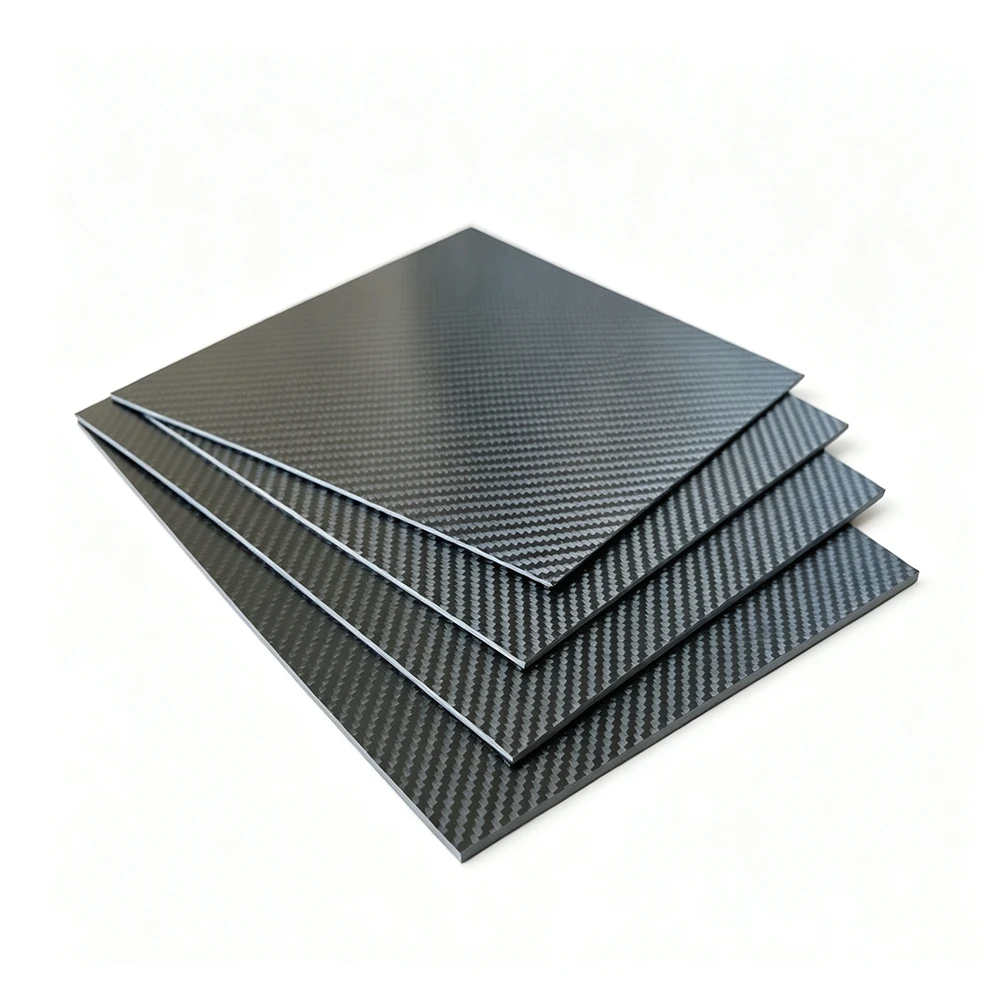
| Product Classification | Structural 4mm Carbon Fiber Sheet / Heavy-Duty Plate |
| Nominal Thickness | 4.0mm (±0.08mm standard; custom surface grinding to ±0.05mm available) |
| Raw Material Selection | 100% High-Grade Carbon Fiber (High-Tensile T700 / Standard T300) |
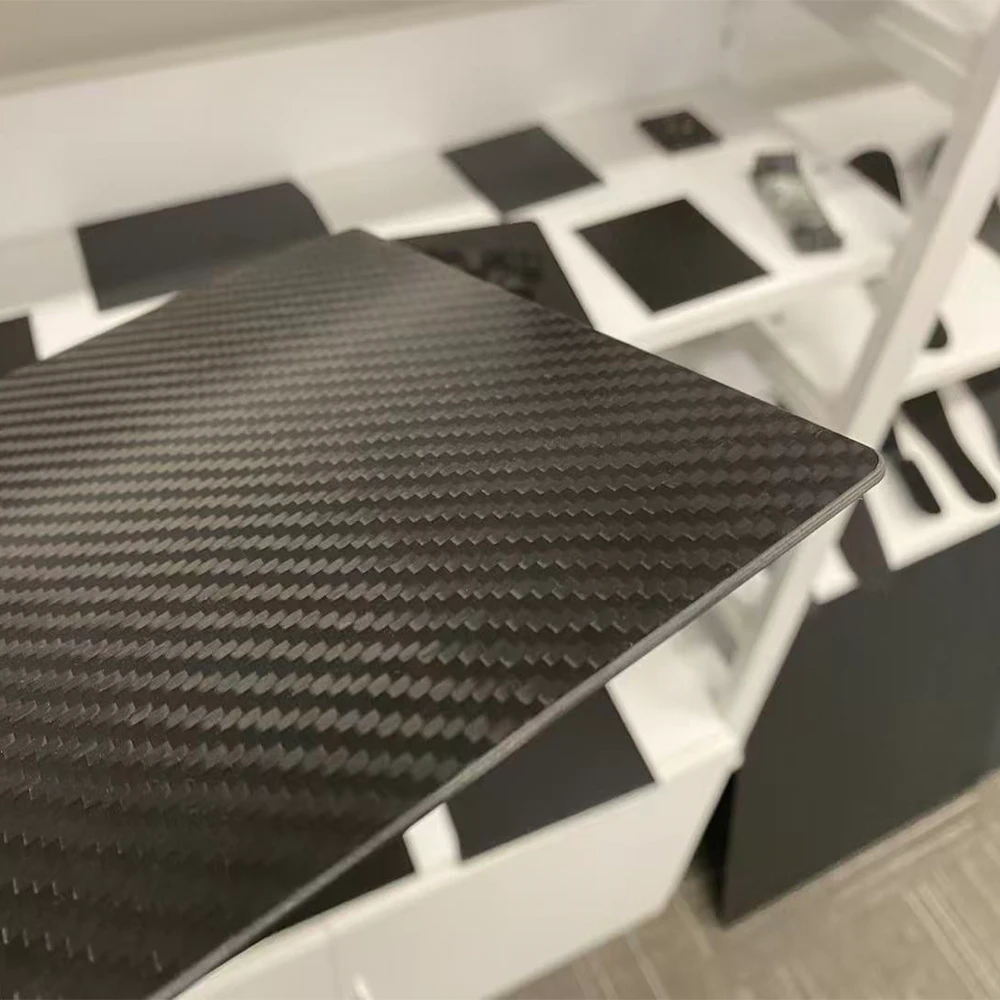
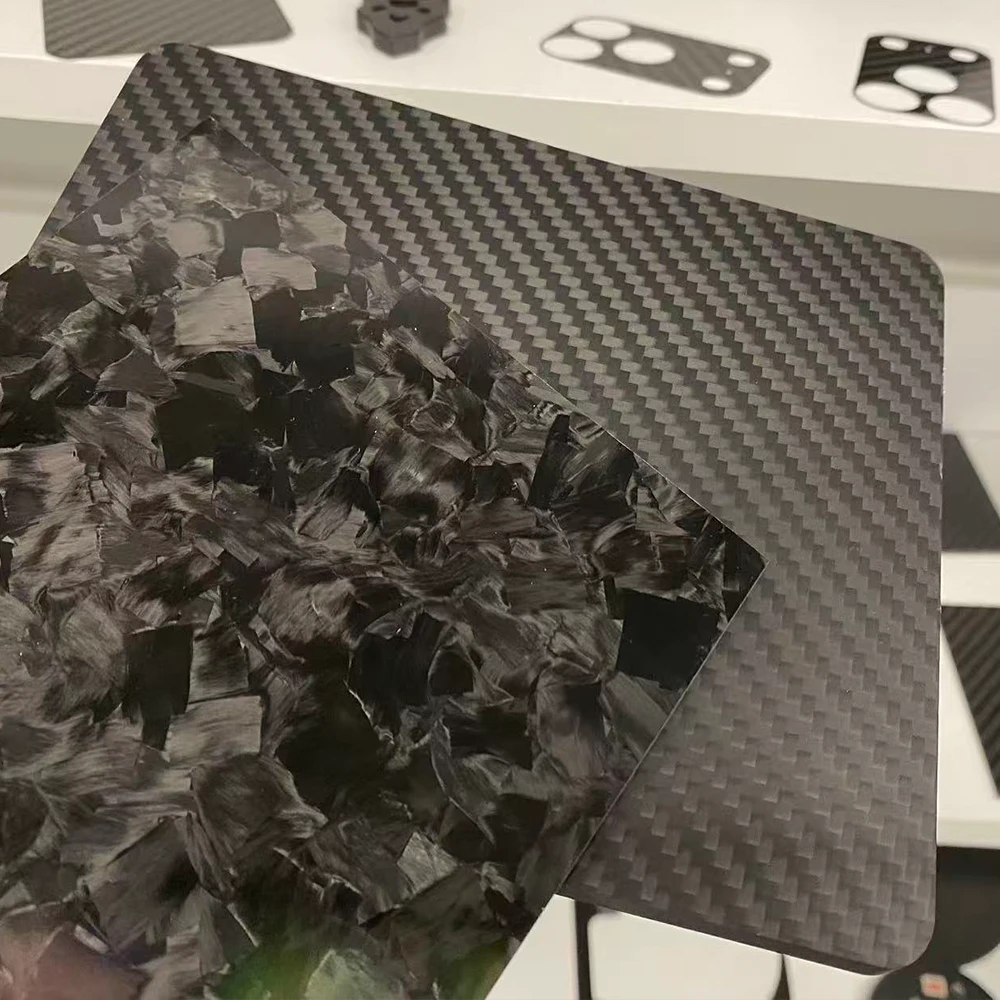
| Surface Pattern & Finish | 3K Twill (2×2) / 3K Plain; Matte (Non-reflective) or Mirror Glossy |
| Internal Layup Architecture | ~13–14 consolidated prepreg layers (Balanced [0°/90°] or Quasi-Isotropic [0°/±45°/90°]) |
| Fiber Volume Fraction | 60% ± 3% (Void content maintained under 1%) |
| Laminate Density & Areal Mass | ~1.50 g/cm³ (~6.0 kg/m² areal weight) |
| Bending Strength (T700 Option) | ≥ 850 MPa (Tensile Strength ≥ 900 MPa) |
| Bending Strength (T300 Option) | ≥ 600 MPa (Tensile Strength ≥ 500 MPa) |
| Hardware Compatibility | Full-depth M3/M4/M5 flush countersinking, press-fit standoffs, precision dowel reaming |
| Standard Panel Sizes | 400×500mm, 500×500mm, 1000×1000mm (Custom hydraulic pressing up to 3000×8000mm) |
| CNC Secondary Machining | Spark-free milling, stepped pocketing, 45° edge chamfers, thread milling, laser marking |
Applications
- Flush-mount robotic transition plates — Accepts full-depth countersunk hardware to create seamless, obstacle-free mounting surfaces for automated end-effectors.
- Medium-span structural equipment bulkheads — Suppresses acoustic resonance and flutter across 300mm+ unsupported expanses in testing and aerospace equipment.
- Aluminum replacement brackets — Replaces 4mm 6061-T6 aluminum plates in precision fixtures, saving 44% mass while eliminating thermal expansion drift.
- Linear guide mounting sub-plates — Provides planarity and localized stiffness to maintain parallel alignment on high-speed motion axes.
- Motorsport chassis splitters & stay brackets — Resists severe aerodynamic downforce loads without permanent bending deformation or fracture.
- Heavy optical breadboards & sensor stages — Ensures micro-radian dimensional stability across temperature fluctuations without heavy cast metal bases.
Why Choose YTCarbon
- 100% continuous carbon consolidation. No recycled core scrap or filler resins; full 14 plies deliver genuine structural performance throughout.
- Optimized for full-depth countersinking. Solid inter-ply crosslinking prevents back-side push-out delamination during CNC countersink drilling.
- Low-void hydraulic press curing. Manufactured with internal void content under 1%, ensuring consistent shear resistance across the entire panel.
- In-house multi-axis diamond CNC. Precision cutting down to ±0.05mm, pocketing, edge chamfers, and counterboring per your CAD drawings.
- Ultra-large press capabilities. Single-panel hydraulic compression up to 3000mm × 8000mm for continuous, seamless structural builds.
- ISO 9001 certified batch traceability. Every production batch is inspected for thickness uniformity, gloss level, and mechanical yield integrity.
Certifications
Our manufacturing process incorporates strict quality controls at every phase of composite consolidation. Operating under a certified ISO 9001 quality management standard, our 4mm carbon fiber panels comply with RoHS and REACH international environmental safety mandates, as well as CE export protocols. Complete batch material certifications, fiber volume fraction analysis, and precision micrometer inspection sheets are provided upon request.
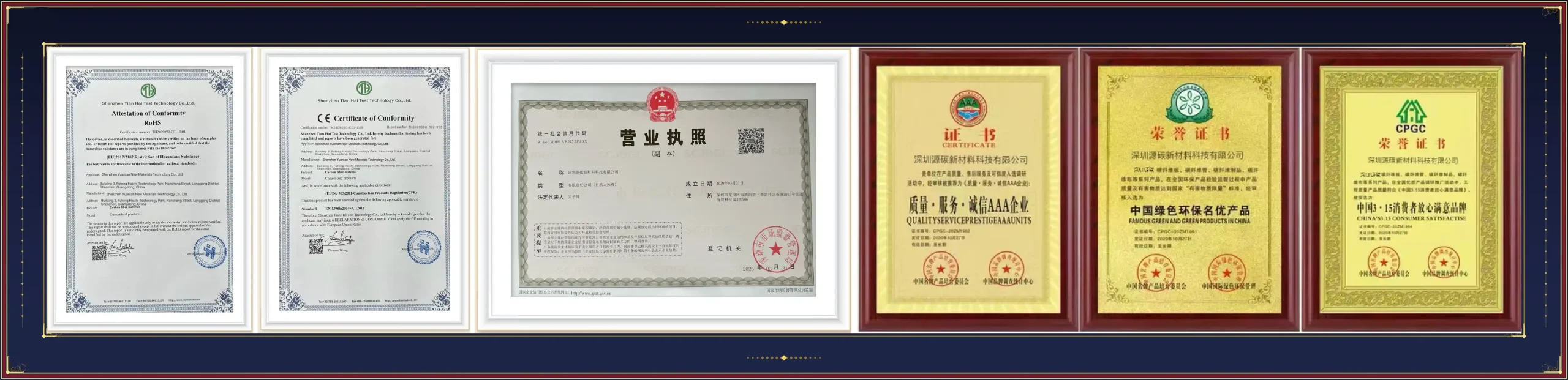
ISO 9001 · RoHS · REACH · CE Certified Quality
Production Process
Our 4mm carbon fiber composite sheets are manufactured using high-pressure hydraulic hot-press consolidation to ensure complete resin matrix infusion and defect-free interlaminar bonding across all 14 layers:
-
- Prepreg Precision Slicing — High-tensile T700 or T300 prepreg rolls are cut into calibrated plies using automated CNC digital oscillating drag knives.
- 14-Ply Balanced Layup — Plies are stacked in cleanrooms according to balanced symmetrical orientations ([0°/90°] or quasi-isotropic [0°/±45°/90°]) to prevent post-cure thermal warping.
- Vacuum Debulking — The stacked assembly is bagged under -0.095 MPa continuous vacuum to extract microscopic air pockets between internal resin layers.
- Hydraulic Hot-Press Consolidation — Multi-ton pressure and an elevated thermal cycle crosslink the epoxy system into a dense, solid composite plate.
- Thickness & Flatness Calibration — Following controlled demolding, plates undergo multi-point micrometer checks to ensure a tight ±0.08mm planar tolerance.
- Diamond Tool CNC Machining — CVD diamond cutters route custom perimeters, cut 45° edge chamfers, and drill deep countersinks down to ±0.05mm.
- Surface Inspection & Packaging — Comprehensive optical checks confirm pinhole-free matte/gloss surfaces before applying double-sided protective films.
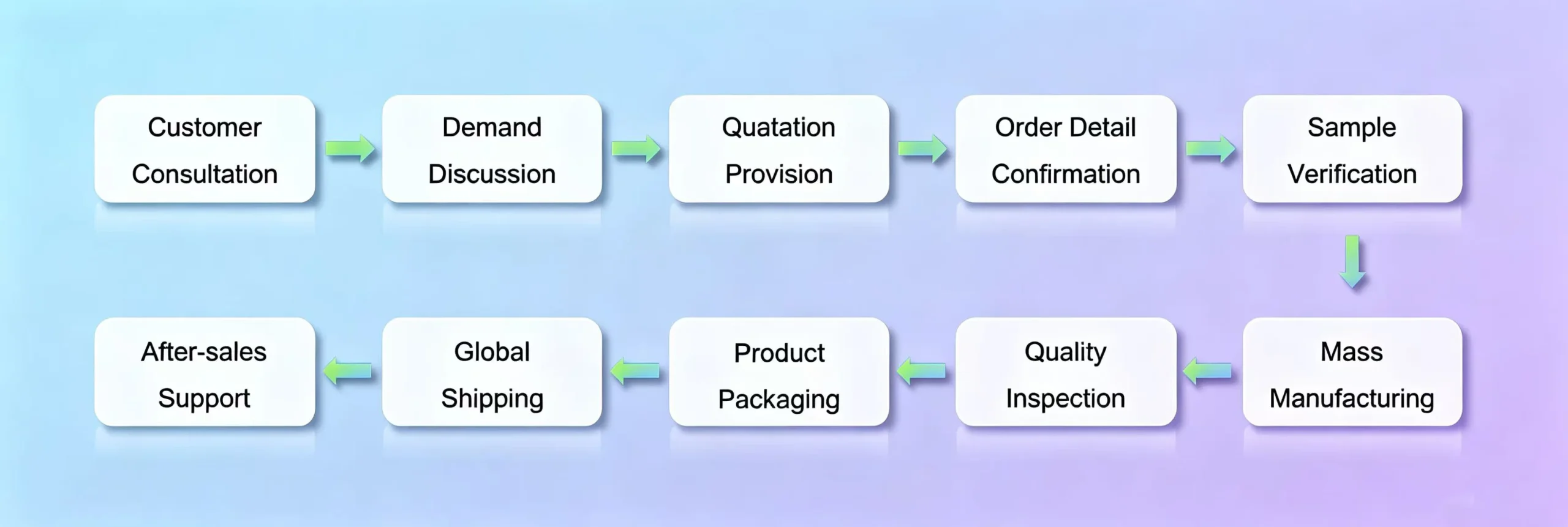
4mm Carbon Fiber Sheet Production Process
Frequently Asked Questions
Fastening & Structural Dynamics
+ Why is 4mm considered the optimal thickness for flush countersunk assemblies?
+ How does 4mm carbon fiber suppress span resonance compared to 3mm?
+ What weight advantages does 4mm carbon fiber offer over 6061 aluminum?
CNC Milling & Supply Lead Times
+ What tooling ensures zero delamination when CNC milling 4mm carbon sheets?
+ What CAD formats are supported for custom 4mm bracket manufacturing?
+ What are your standard lead times for custom 4mm CNC parts?
Ready to Source 4mm Carbon Fiber Sheets?
Get factory-direct pricing with full QC traceability. T700 and T300 grades in stock.