Product Details
Why Carbon Fiber for Tent Poles
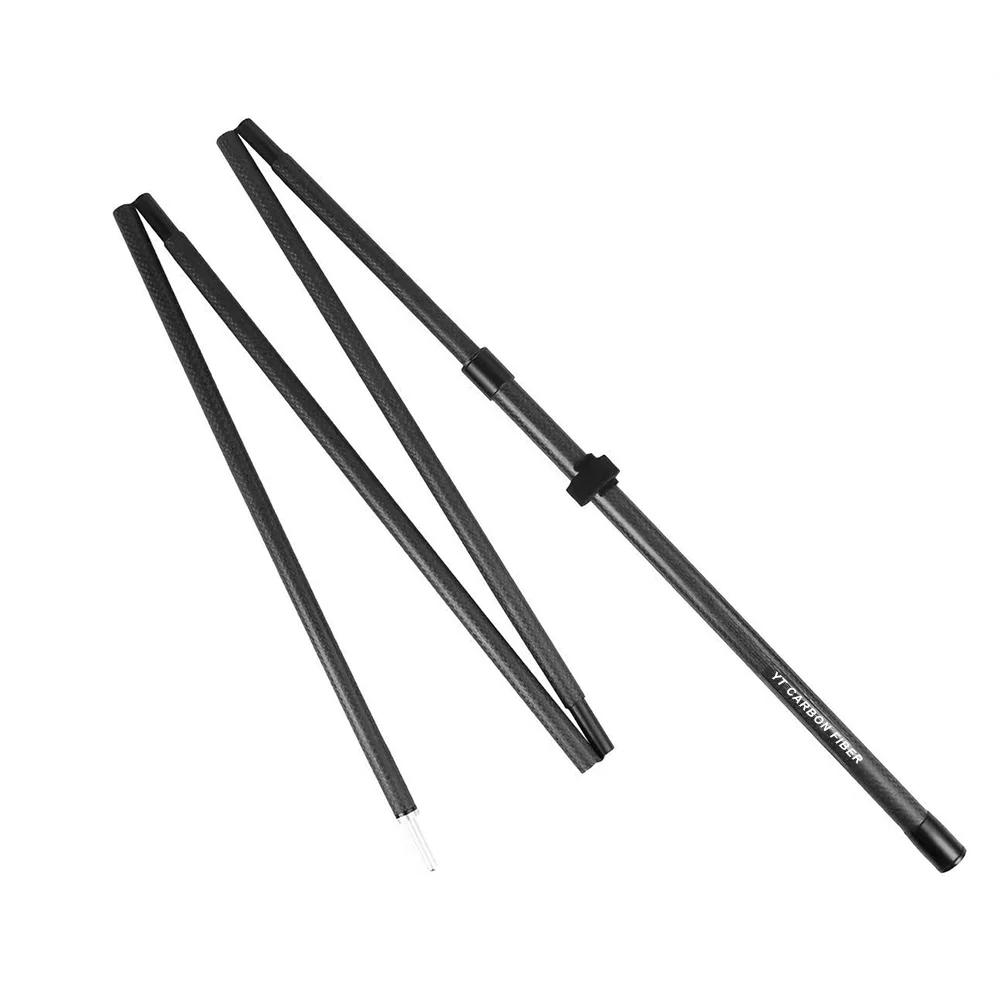
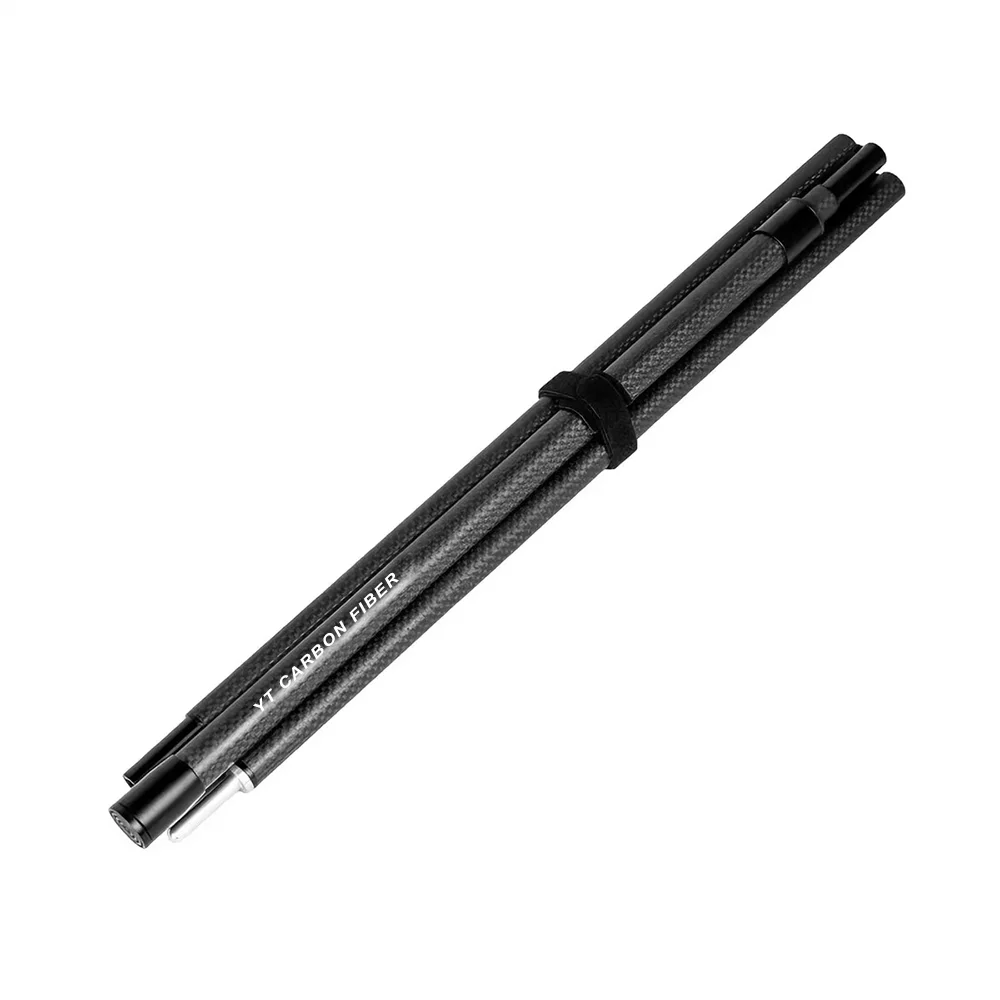
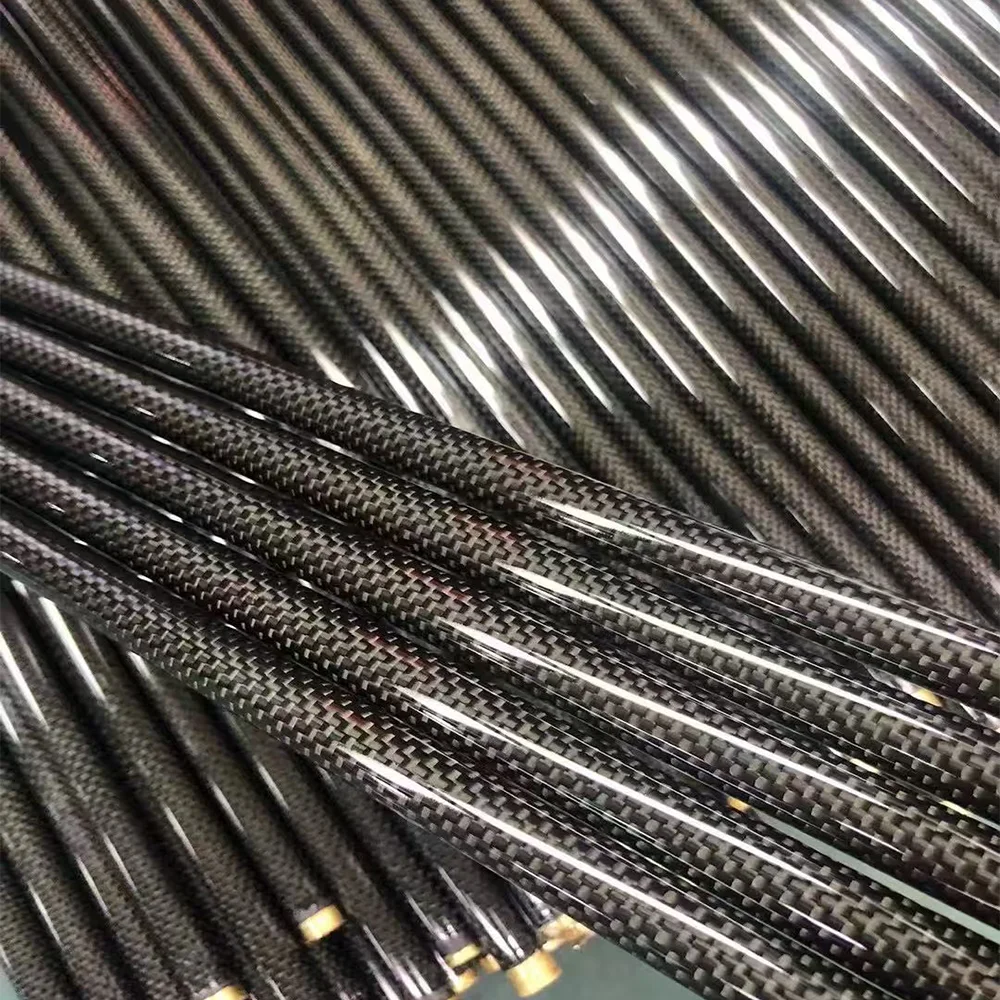
Fundamentally, carbon fiber tent poles solve a problem that every backpacker knows: aluminum poles are heavy and they bend permanently under stress. Carbon fiber tent poles are approximately 70% lighter than equivalent aluminum poles while delivering higher flexural strength. Unlike aluminum that deforms past its yield point, carbon fiber flexes under load and returns to its original shape — so a strong wind gust will not leave you with a permanently bent pole in the middle of the night.
Corrosion-Proof for Wet Environments
In addition, carbon fiber is inherently corrosion-resistant — it does not rust, oxidize, or degrade under prolonged moisture exposure. Whether your tent faces rain, snow, salt spray, or tropical humidity, carbon fiber tent poles will not corrode like aluminum. This makes them ideal for long-duration camping, marine environments, and high-humidity conditions where metal hardware fails prematurely. A simple wipe-down is all the maintenance they need.
Pultruded for Maximum Bending Resistance
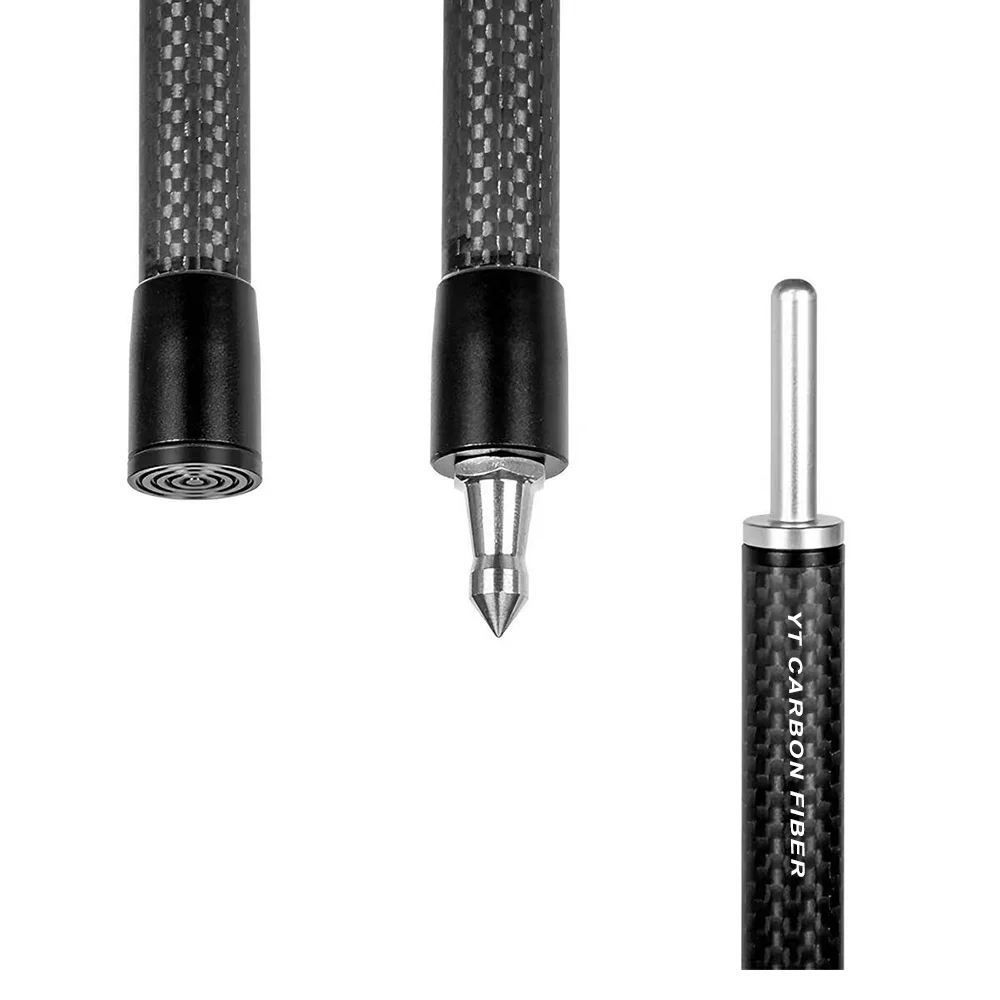
Moreover, our carbon fiber tent poles are manufactured using the pultrusion process, which aligns all carbon fibers along the pole axis. This concentrates strength exactly where tent poles need it most — bending resistance along the length. We produce poles in diameters from 6mm to 12mm with wall thicknesses from 0.5mm to 1.5mm, cut to your exact length with precision ferrule joints for multi-section assembly.
Specifications
| Parameter | Specification |
|---|---|
| Product Type | Carbon Fiber Tent Pole |
| Outer Diameter | 6mm – 12mm |
| Wall Thickness | 0.5mm – 1.5mm |
| Custom Length | Cut to specification (max 4000mm per section) |
| Carbon Fiber Grade | T300 / T700 |
| Surface Finish | Glossy or Matte |
| Weave Pattern | UD (Unidirectional Pultruded) / 3K Twill |
| Manufacturing Process | Pultruded (axial fiber alignment) |
| Joint Type | Ferrule joints (aluminum or carbon sleeve) |
| Weight Reduction vs Aluminum | Approximately 70% |
| Corrosion Resistance | Full — will not rust or oxidize |
| Customization | Full dimensional and material customization |
Applications
Backpacking and Ultralight Camping
- Ultralight tent replacement poles — First, backpackers swapping factory aluminum poles for carbon fiber save hundreds of grams per shelter. For thru-hikers counting every ounce, this is one of the easiest weight reductions available
- Tarp and shelter ridgelines — In addition, carbon fiber poles serve as ultralight ridgeline supports for flat tarp setups, pyramid shelters, and floorless tents where weight and packability are critical
- Bivy and one-person shelters — Similarly, single-pole shelters benefit most from carbon fiber’s weight savings since one pole represents a larger percentage of total shelter weight
Commercial and OEM Applications
- Tent manufacturer supply — Furthermore, we supply carbon fiber tent poles in bulk to outdoor gear brands seeking to upgrade their product lines with lightweight pole options
- Awning and canopy supports — Moreover, carbon fiber poles work as lightweight frame members for vehicle awnings, beach canopies, and event shelters where corrosion resistance matters
- Backpack frame stays — Finally, the same pultruded construction makes excellent frame stays for internal-frame backpacks, providing rigid support at minimal weight
Why Choose YTCarbon
Performance and Material Advantages
- 70% lighter than aluminum. First and foremost, our pultruded carbon fiber tent poles weigh approximately one-third of equivalent aluminum poles. For a typical 4-person tent with 6 poles, switching to carbon fiber saves over 300 grams
- Flex recovery, not permanent bend. In addition, carbon fiber poles flex under wind load and return to shape. Aluminum poles bend permanently past their yield point — once bent, they stay bent. Carbon fiber eliminates this failure mode
Manufacturing and Quality Assurance
- Pultruded for axial strength. Furthermore, our pultrusion process aligns all carbon fibers along the pole axis. This concentrates strength exactly where tent poles need it — bending resistance along the length
- Factory-direct, not a trading company. Moreover, we manufacture every pole in our Shenzhen facility. You deal directly with the production team — custom diameters, lengths, ferrule types, and surface finishes are all in-house
- Precision ferrule joints. Additionally, we install ferrule joints with press-fit precision for multi-section poles. Joints are flush, secure, and will not rattle loose during use
- ISO 9001 certified quality. Finally, every production batch undergoes diameter verification, wall thickness measurement, and flex testing. Full traceability from raw T300/T700 fiber to shipped product
Certifications
First of all, quality consistency is non-negotiable for outdoor gear that faces repeated setup, wind stress, and weather exposure. Specifically, our manufacturing facility operates under ISO 9001 quality management, ensuring every carbon fiber tent pole meets the same dimensional and material standards from batch to batch. Moreover, our products are RoHS and CE compliant, meeting regulatory requirements for the European market. In addition, for OEM customers that demand documented traceability, we provide material test reports and dimensional certificates with your order. Finally, need documentation for your project approval? Contact us and we will send the PDFs.
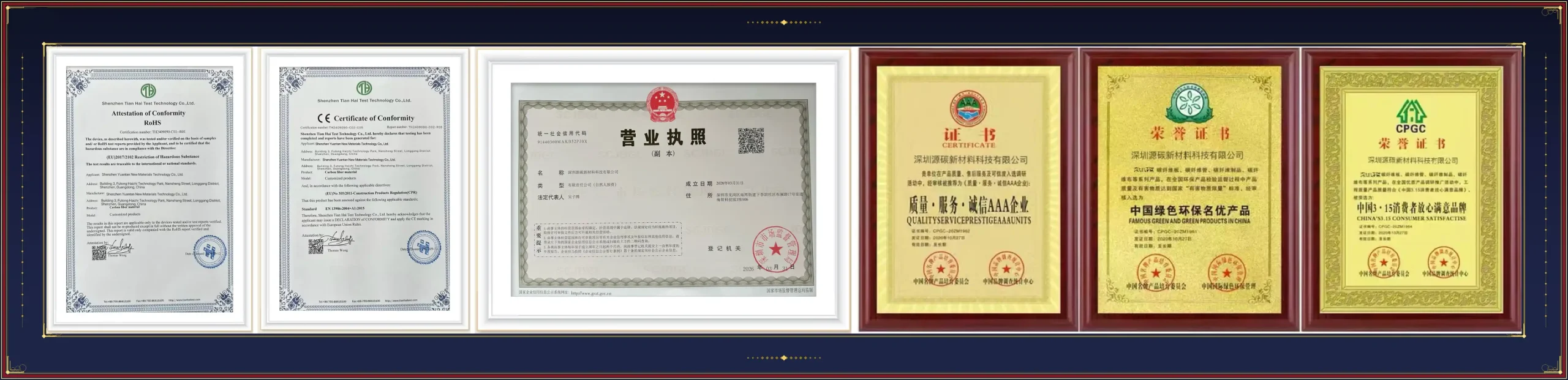
ISO 9001 · RoHS · CE Certified
Production Process
To begin with, carbon fiber tent pole production uses the pultrusion process — pulling continuous carbon fibers through a heated die to create tubes with all fibers aligned along the axis. This orientation maximizes bending resistance, which is exactly what tent poles need. Here is our step-by-step process:
- Fiber Creel Setup — First, carbon fiber tows (T300 or T700) loaded onto the creel in the quantity needed for the target wall thickness
- Resin Impregnation — Next, fibers pass through a resin bath where epoxy resin thoroughly wets each tow for complete fiber saturation
- Heated Die Forming — Then, impregnated fibers pulled through a precision-machined heated die at controlled temperature and speed, shaping the tube and curing the resin simultaneously
- Continuous Pulling — Subsequently, a pulling mechanism draws the cured tube through the die at constant speed, ensuring consistent diameter and wall thickness along the entire length
- Cut to Length — After that, the continuous tube is cut to your specified length using a precision cutoff saw
- Ferrule Installation — Additionally, ferrule joints installed at section breaks for multi-piece poles, with press-fit precision for secure assembly
- Quality Inspection — Finally, diameter measurement, wall thickness verification, flex testing, and surface quality check for every production batch
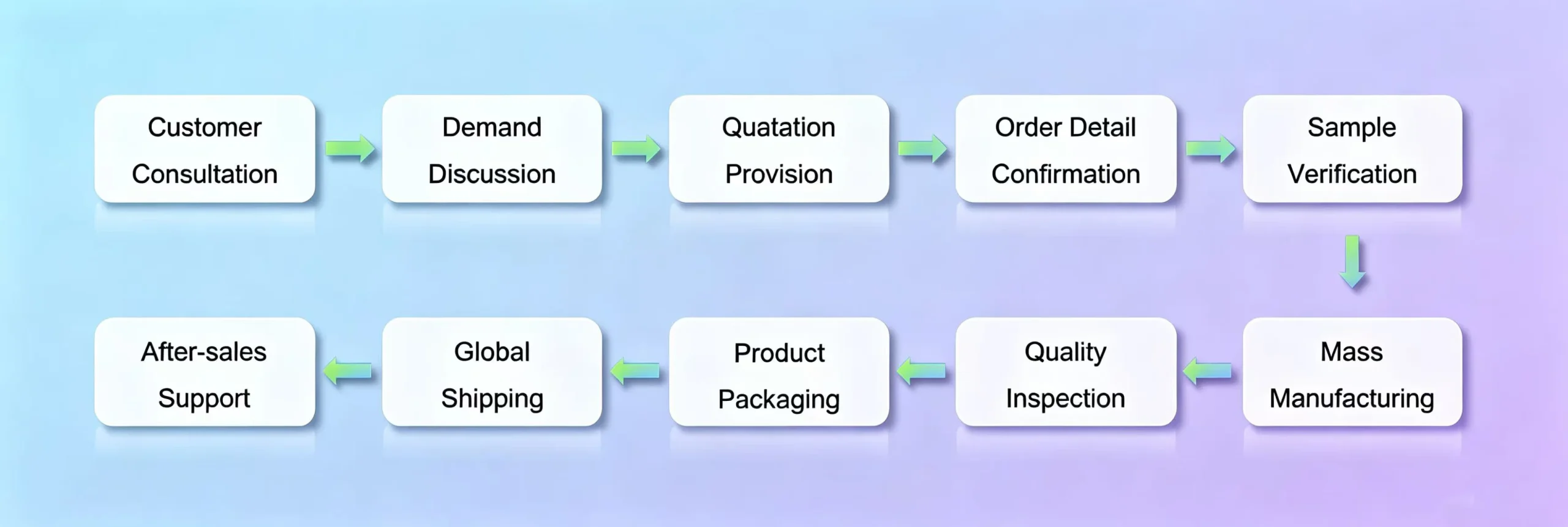
Carbon Fiber Tent Pole Production Process
Frequently Asked Questions
Performance & Material Questions
+ Are carbon fiber tent poles more fragile than aluminum?
+ How much weight do I save switching to carbon fiber tent poles?
+ Will carbon fiber tent poles corrode in rain or saltwater?
Sizing & Assembly Questions
+ Can I use carbon fiber tent poles as replacements for my existing tent?
+ Do you provide shock-cord assembly?
+ What is the minimum order quantity?
Ready to Order Carbon Fiber Tent Poles?
Get a custom quote today. Our team responds within 24 hours.