
Product Details
In industrial robotics, every gram on the arm is a gram the motor has to accelerate, decelerate, and hold in position — thousands of times per hour. Aluminum has been the go-to material for decades, but its density (2.7 g/cm³) limits how fast a robot can move without overshooting. Carbon fiber reinforced polymer sits at 1.55 g/cm³ with a Young’s modulus of 90 GPa in a 0/90 woven layup — that is 43% lighter and 35% stiffer than aluminum. The result: faster cycle times, less servo energy, and tighter positional accuracy.
The global carbon fiber robotic arm market reached USD 450 million in 2025 and is projected to grow at a 10% CAGR through 2032, driven by demand for high-speed pick-and-place, collaborative robots, and semiconductor wafer handling. The trend is clear — as robot OEMs push for higher throughput and lower energy costs, carbon fiber arms are moving from niche aerospace applications into mainstream manufacturing.
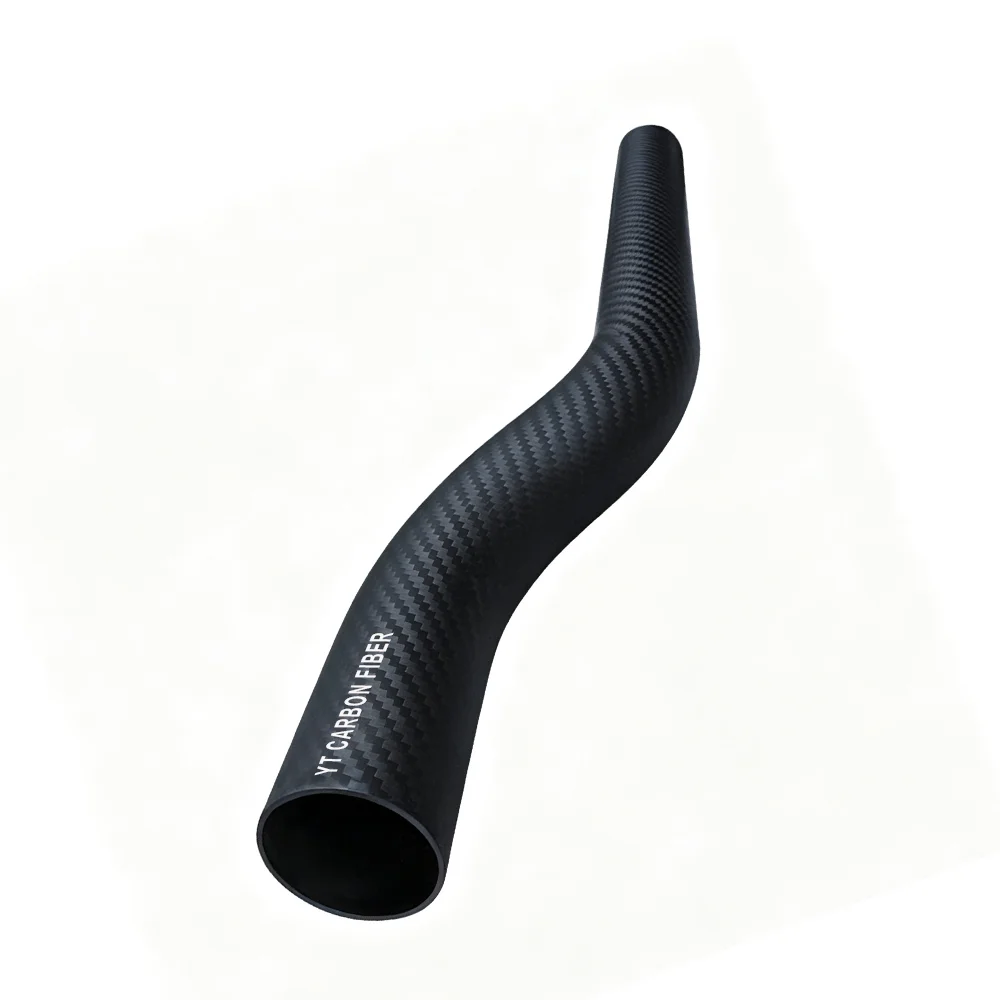
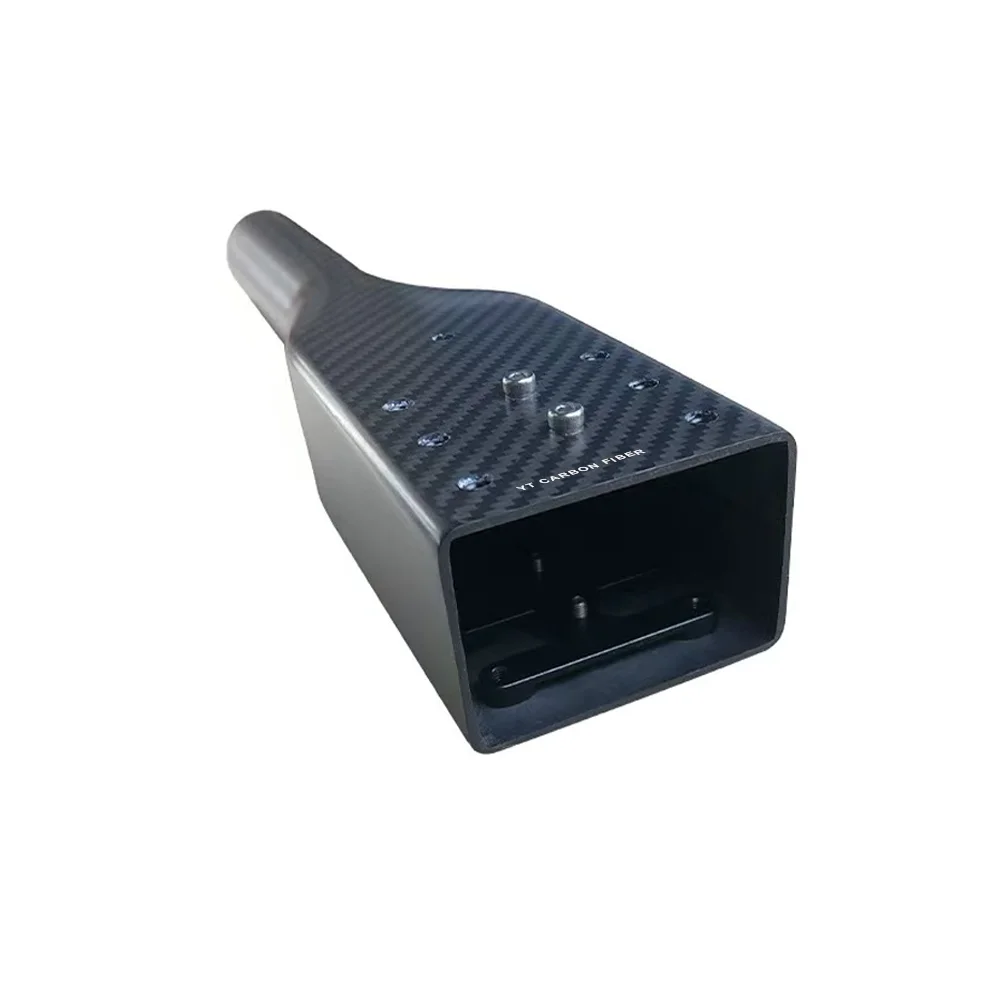
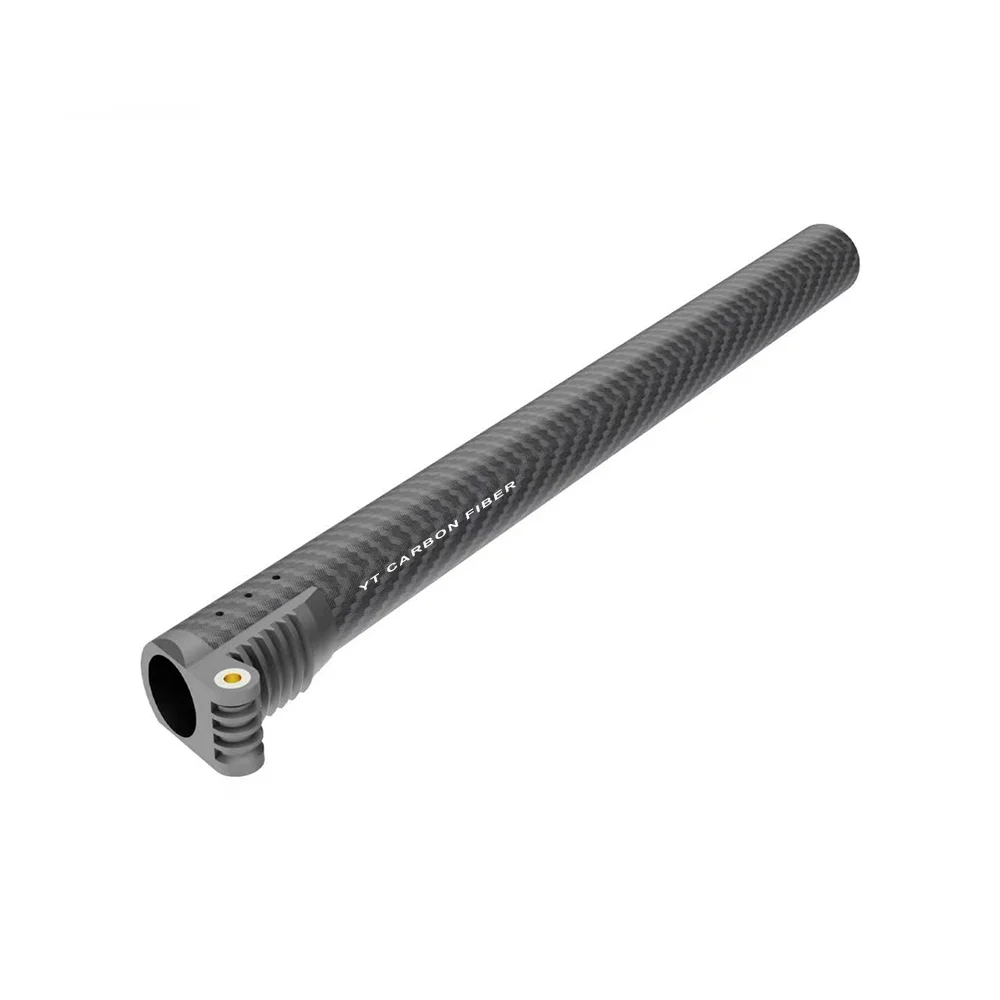
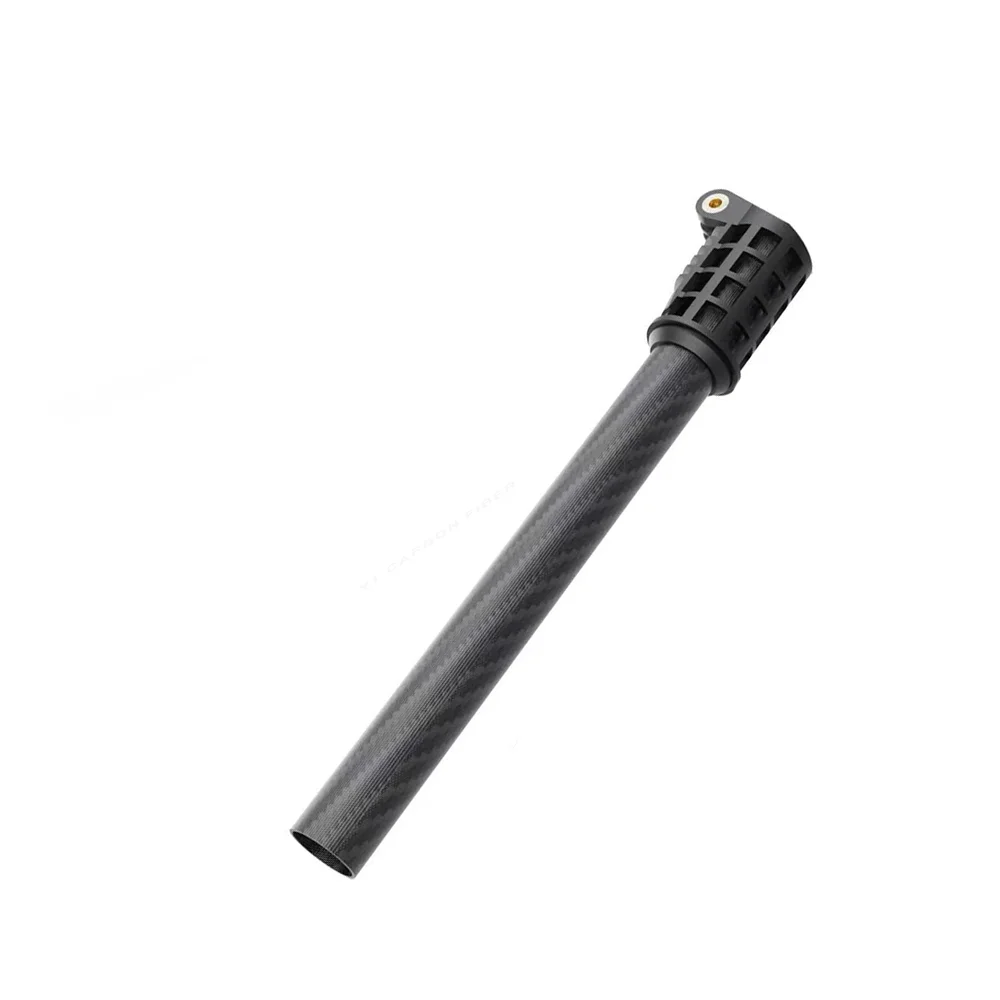
We supply carbon fiber arm links, joint housings, and end-effector mounts machined from pre-cured CFRP blanks on our 5-axis CNC centers. Send us your robot’s kinematic model — we design the layup for optimal stiffness along the load path, machine the bearing seats and mating interfaces to ±0.03 mm, and deliver parts ready to bolt into your assembly. Tube-based links, plate-based arms, or hybrid structures — we handle them all.
Specifications
| Specification | Details |
|---|---|
| Material | 3K / 12K Carbon Fiber + Epoxy Resin (CFRP) |
| Weave Pattern | Twill / Plain / Unidirectional / Quasi-isotropic |
| Forming Process | CNC Milling from Pre-cured CFRP Blanks + Tube-Based Links |
| Density | 1.55 g/cm³ (vs. Aluminum 2.7 g/cm³) |
| Young’s Modulus | 90 GPa (0/90 Woven) / 150+ GPa (UD High-Modulus) |
| Machining Tolerance | ±0.03 mm (Bearing Seats) / ±0.05 mm (General) |
| Surface Finish | Glossy / Matte / Sandblasted |
| Mold Type | CNC Fixture / Vacuum Jig (No Mold Required) |
| Drawing Formats | STEP, STP, IGS — flexible customization from 3D design drawings |
| Mold Lead Time | 3–5 Days (Fixture Setup) |
| MOQ | 1 Piece (Prototype) / 20+ (Production) |
Applications
- Collaborative Robots — Lighter arms reduce collision force, making human-robot interaction safer.
- High-Speed Pick & Place — Low-inertia links accelerate 20–25% faster, boosting line throughput.
- Semiconductor Handling — Non-magnetic CFRP prevents contamination in cleanroom wafer processing.
- Aerospace Assembly — Stiff, vibration-damped arms hold 0.05 mm tolerance on aircraft joints.
- Medical Robotics — Lightweight arm structures for surgical and rehabilitation robots.
Why Choose YTCarbon
- Factory Direct CFRP — We exhibited at the 2025 World UAV Expo — see what a real carbon fiber factory puts on the table. From raw fiber to finished arm link, all under one roof.
- Stiffness-Optimized Layup — We design fiber orientation to maximize bending stiffness along your robot’s load path, not just cut generic blanks.
- 43% Lighter Than Aluminum — Less mass means faster acceleration, smaller motors, and 18–22% lower energy consumption.
- ±0.03 mm Bearing Seats — Precision-machined interfaces that bolt straight into your assembly, no rework needed.
- Low Vibration Damping — CFRP absorbs micro-vibrations 3× better than aluminum, improving positional accuracy at speed.
Certifications
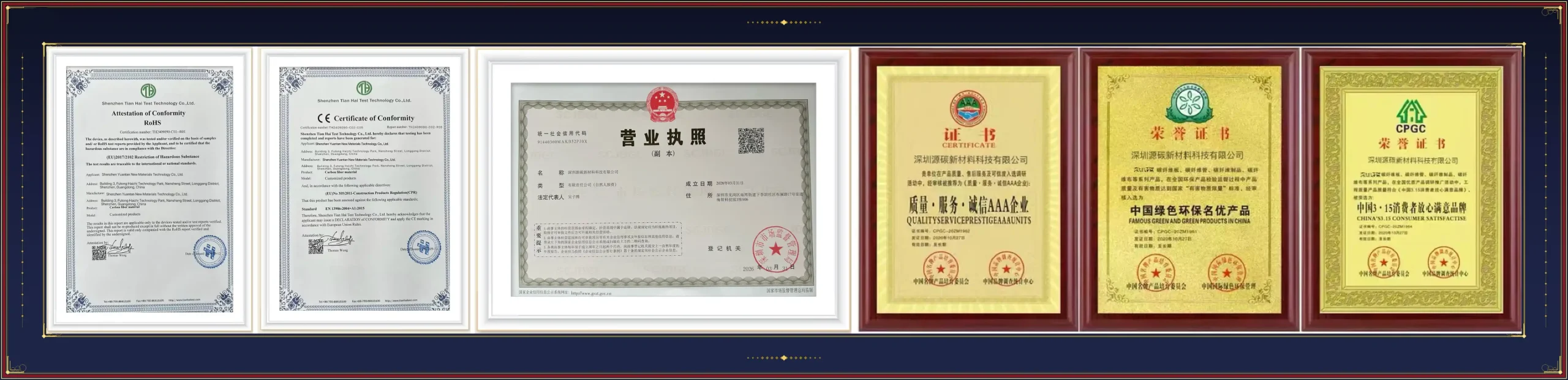
Every carbon fiber robotic arm component ships with dimensional inspection data and a material test report. Our facility is ISO 9001:2015 certified, and we follow robot-industry quality standards for bearing seat tolerances, surface finish consistency, and layup verification. Stiffness test data and natural frequency measurements available on request.
How We Manufacture Your Carbon Fiber Robotic Arm
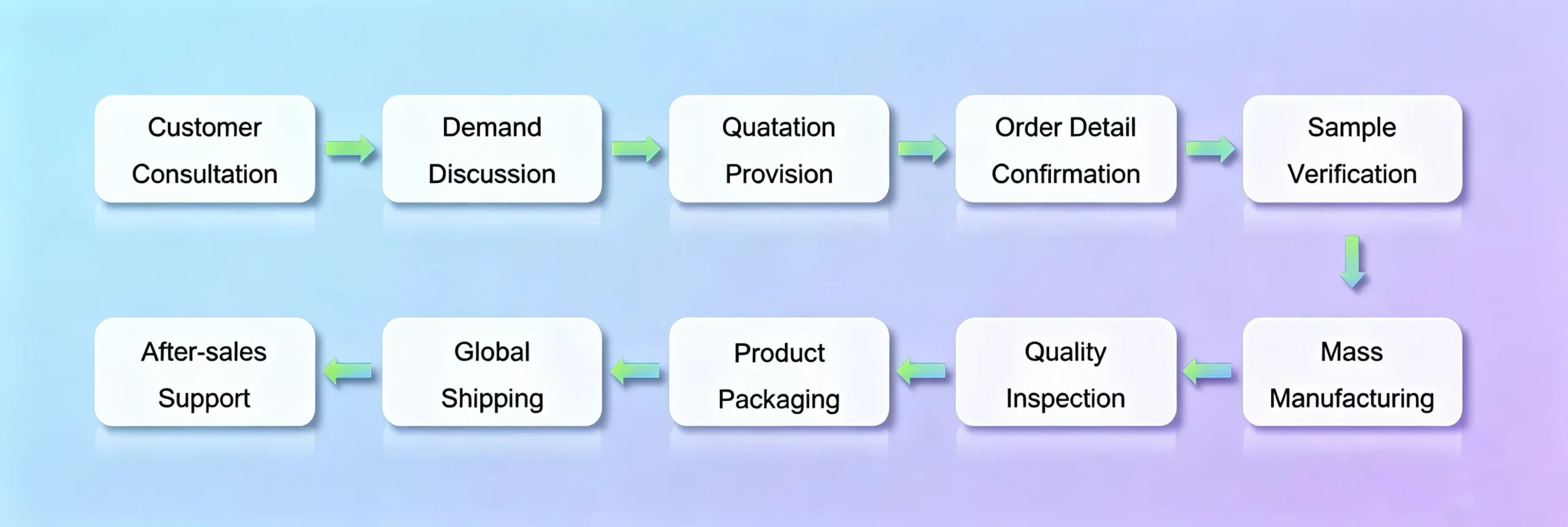
We start from your robot’s kinematic model and load requirements. Our engineers design the CFRP layup to maximize stiffness along the primary bending axis — for a 6-axis arm link, that means orienting unidirectional plies along the beam length with woven fabric at ±45° for torsional rigidity. We machine the link from a pre-cured blank on our 5-axis CNC center, cutting bearing seats, bolt patterns, and cable routing channels in one setup. After machining, each part is inspected for dimensional accuracy and surface quality, then packaged with its inspection report.
FAQ
+ How much weight can a carbon fiber robotic arm save compared to aluminum?
+ Is carbon fiber stiff enough for precision robotic applications?
+ Why is carbon fiber preferred for semiconductor robot arms?
+ Can you customize the fiber layup for different robot arm load paths?
+ What is the ROI timeline for switching to carbon fiber robot arms?
Need Custom Carbon Fiber Robotic Arm Components?
43% lighter, 35% stiffer, ±0.03 mm precision. Send your robot model and get a layup design in 48 hours.