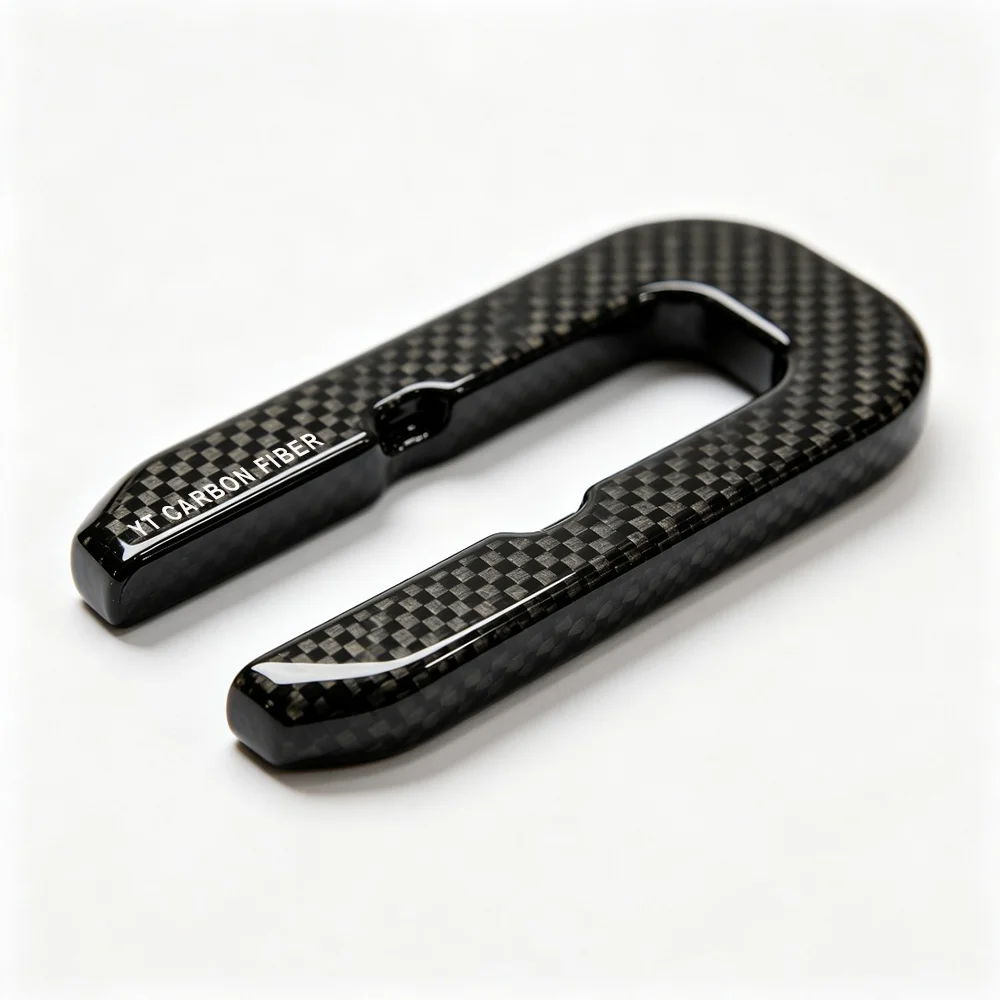
Product Details
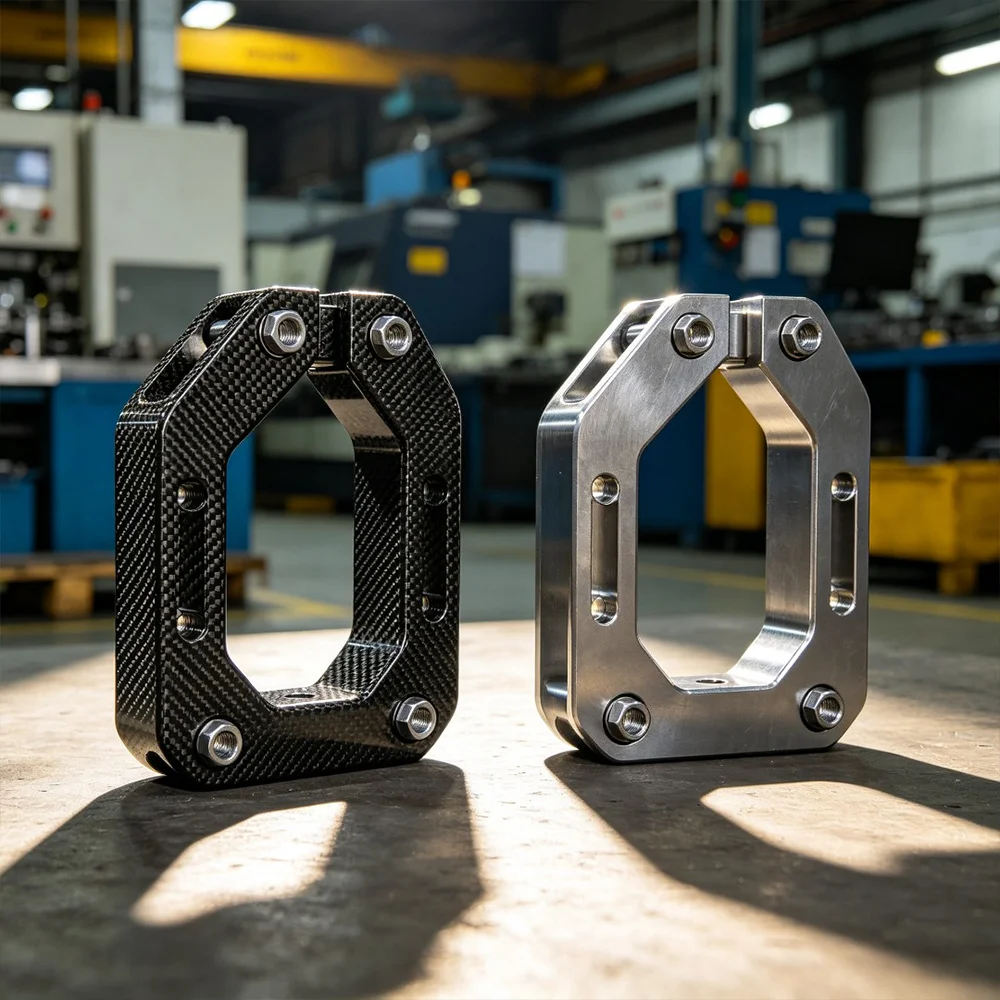
Metal fixtures have been the default in composite manufacturing for decades — but they come with a problem that gets worse as tolerances tighten: thermal expansion. An Invar jig gains roughly 1.2 µm per mm over a 150 °C temperature swing. On a 2-meter wing skin, that is 2.4 mm of drift. Carbon fiber fixtures? Near zero. The CTE of CFRP (0.2–1.0 × 10⁻⁶/°C) closely matches the composite parts being cured, so your layup dimensions hold true from room temperature through autoclave cycle and back.
That is not the only advantage. A carbon fiber fixture typically weighs 60–70% less than its steel counterpart, which means easier handling on the shop floor, faster loading and unloading, and less wear on your autoclave cart rails. For aerospace and automotive composite lines where fixtures are cycled hundreds of times, the weight savings compound into real labor and energy cost reductions over the life of the tool.
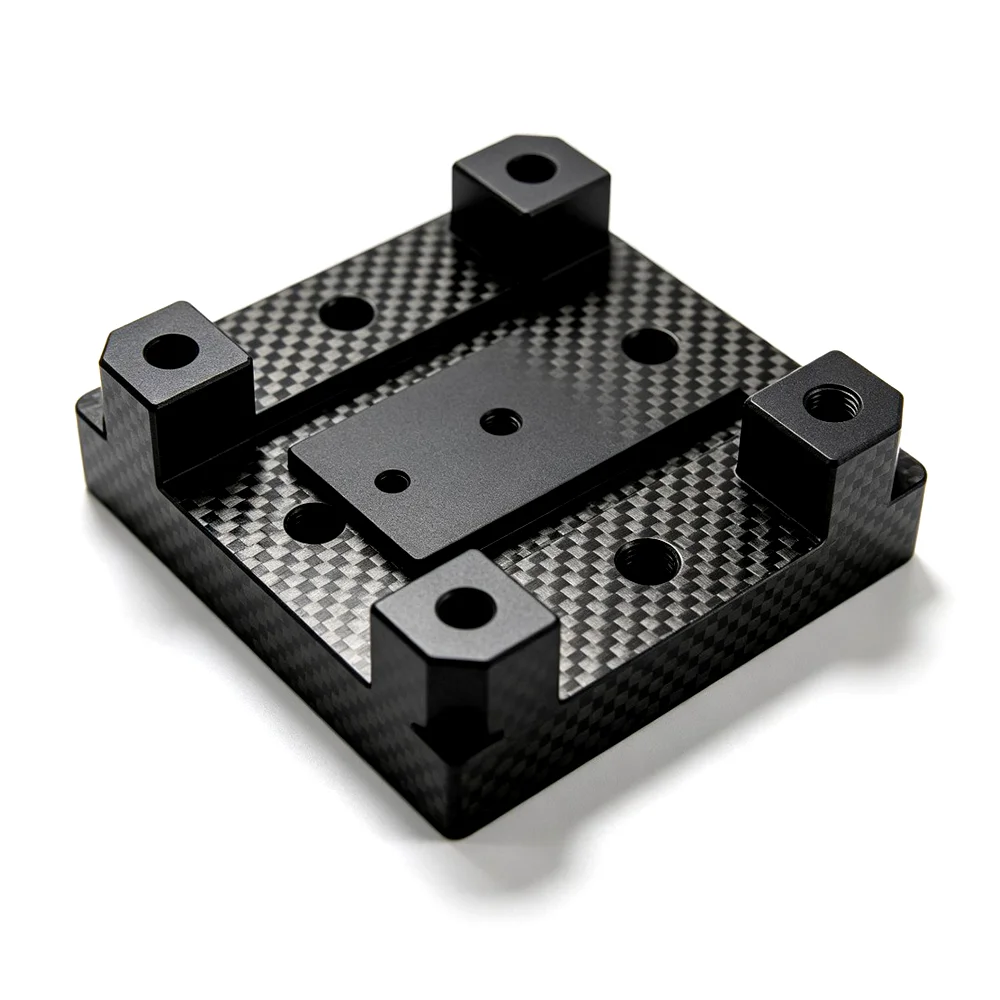
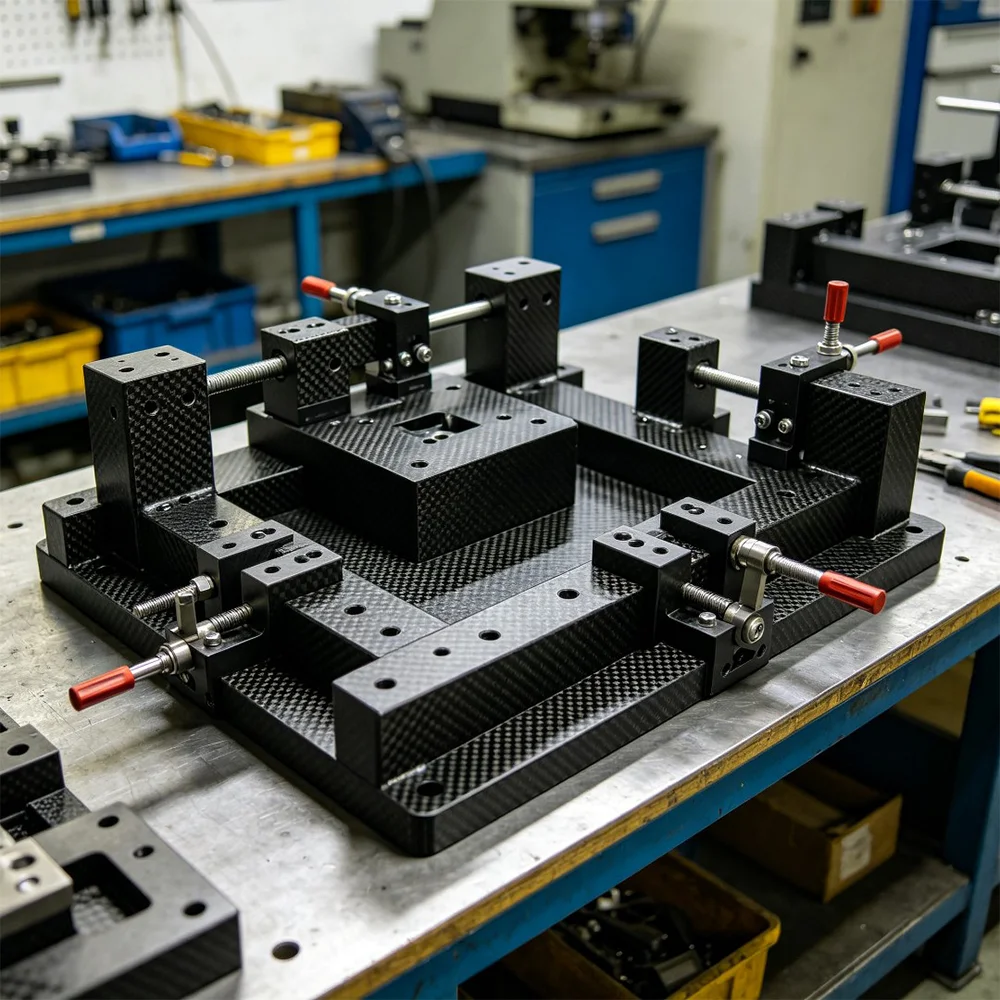
We build these fixtures from the same CFRP blanks we machine daily. Send us your part geometry and fixturing requirements — we design the fixture layout, machine all locating surfaces and datum features to ±0.05 mm, and deliver a ready-to-use tool with documented dimensional inspection. No need to source the carbon fiber material separately and then find a machine shop; we handle the full chain under one roof.
Specifications
| Specification | Details |
|---|---|
| Material | 3K / 12K Carbon Fiber + Epoxy Resin (CFRP) |
| Weave Pattern | Plain / Twill / Unidirectional / Quasi-isotropic Layup |
| Forming Process | CNC Machining from Pre-cured CFRP Blanks + Bonded Assembly |
| CTE (Coefficient of Thermal Expansion) | 0.2–1.0 × 10⁻⁶/°C (Matched to CFRP Parts) |
| Max Operating Temperature | 180 °C (Autoclave) / 260 °C (Short-term Peak) |
| Machining Tolerance | ±0.05 mm (Datum Surfaces) |
| Surface Finish | Matte (Standard) / Sealed with Release Coating |
| Mold Type | CNC Fixture / Vacuum Jig (No Mold Required) |
| Drawing Formats | STEP, STP, IGS — flexible customization from 3D design drawings |
| Mold Lead Time | 5–7 Days (Fixture Setup) |
| MOQ | 1 Set (Prototype) / 10+ (Production) |
Applications
- Autoclave Curing — CTE-matched fixtures keep composite parts dimensionally stable through 180 °C cure cycles.
- Aerospace Assembly — Lightweight locating jigs for wing skin and fuselage panel alignment.
- RTM Mold Fixturing — Stiff, non-reactive frames that hold mold halves under injection pressure.
- EV Battery Enclosure — Non-conductive, dimensionally stable holds for assembly and welding.
- Semiconductor Processing — Thermal-cycling fixtures that do not drift during repeated bake-out steps.
Why Choose YTCarbon
- Factory Direct Tooling — We exhibited at the 2025 World UAV Expo — see what a real carbon fiber factory puts on the table. Same CFRP, same machines, one roof.
- CTE Matched by Design — We select layup sequences to match your part’s thermal expansion, not just machine generic blanks.
- 60–70% Lighter Than Steel — Easier handling, faster autoclave loading, less wear over thousands of cycles.
- Full-Chain Service — Material, machining, bonding, release coating, and inspection all in one place.
- Autoclave Proven — Zero measurable dimensional drift after 500+ cycles at 180 °C.
Certifications
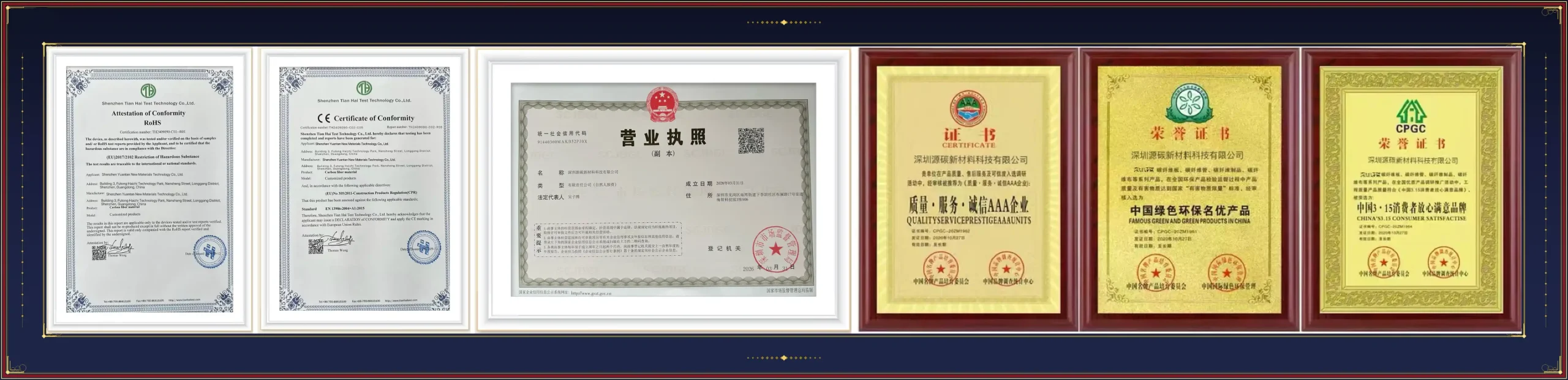
Every carbon fiber jig and fixture ships with a dimensional inspection report and material traceability documentation. Our facility holds ISO 9001:2015 certification, and we follow aerospace-grade quality control protocols for every fixture — whether it is holding a drone frame or a satellite panel. CTE test data available on request.
How We Manufacture Your Carbon Fiber Jig & Fixture
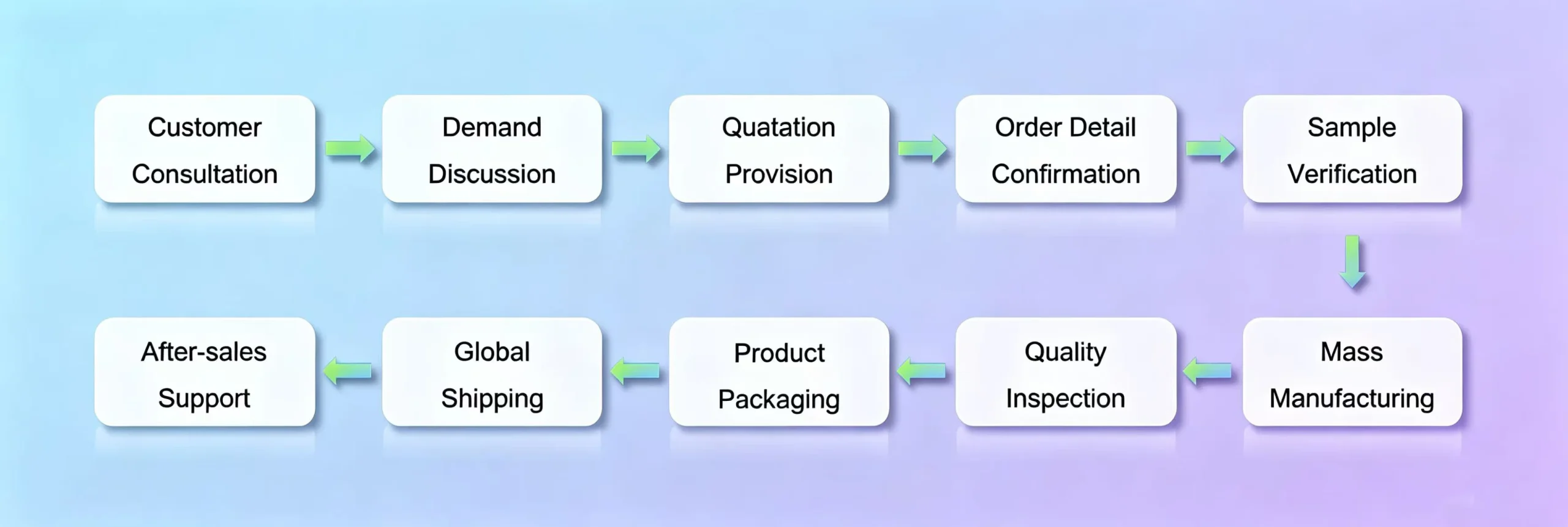
We start from your part CAD model and fixturing requirements. Our engineers design the fixture layout — locating pads, clamping surfaces, datum features — then select a CFRP layup that matches your part’s CTE. We machine individual fixture components from pre-cured blanks on our 5-axis CNC centers, bond them into sub-assemblies using high-temperature structural adhesive, apply a release coating to all contact surfaces, and run a final dimensional check before shipping. The whole process takes 10–15 working days from drawing approval.
FAQ
+ Why use carbon fiber jigs instead of metal fixtures for autoclave curing?
+ What temperature range can carbon fiber fixtures withstand?
+ How do you match the CTE of the fixture to my composite part?
+ Can carbon fiber fixtures handle repeated autoclave cycles?
+ What is the lead time for a custom carbon fiber fixture set?
Need Custom Carbon Fiber Jigs & Fixtures?
CTE-matched, autoclave-proven, 60% lighter than steel. Send your part model and get a fixture design in 48 hours.