Product Details
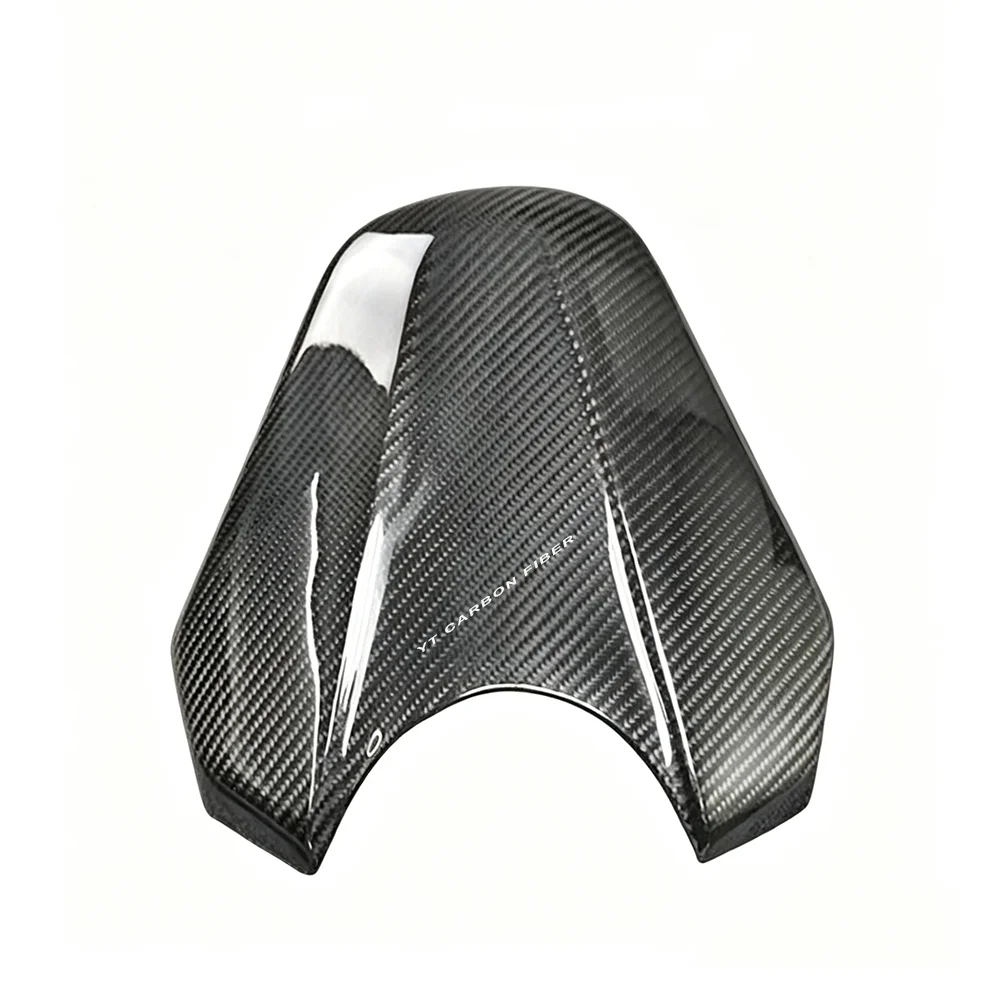
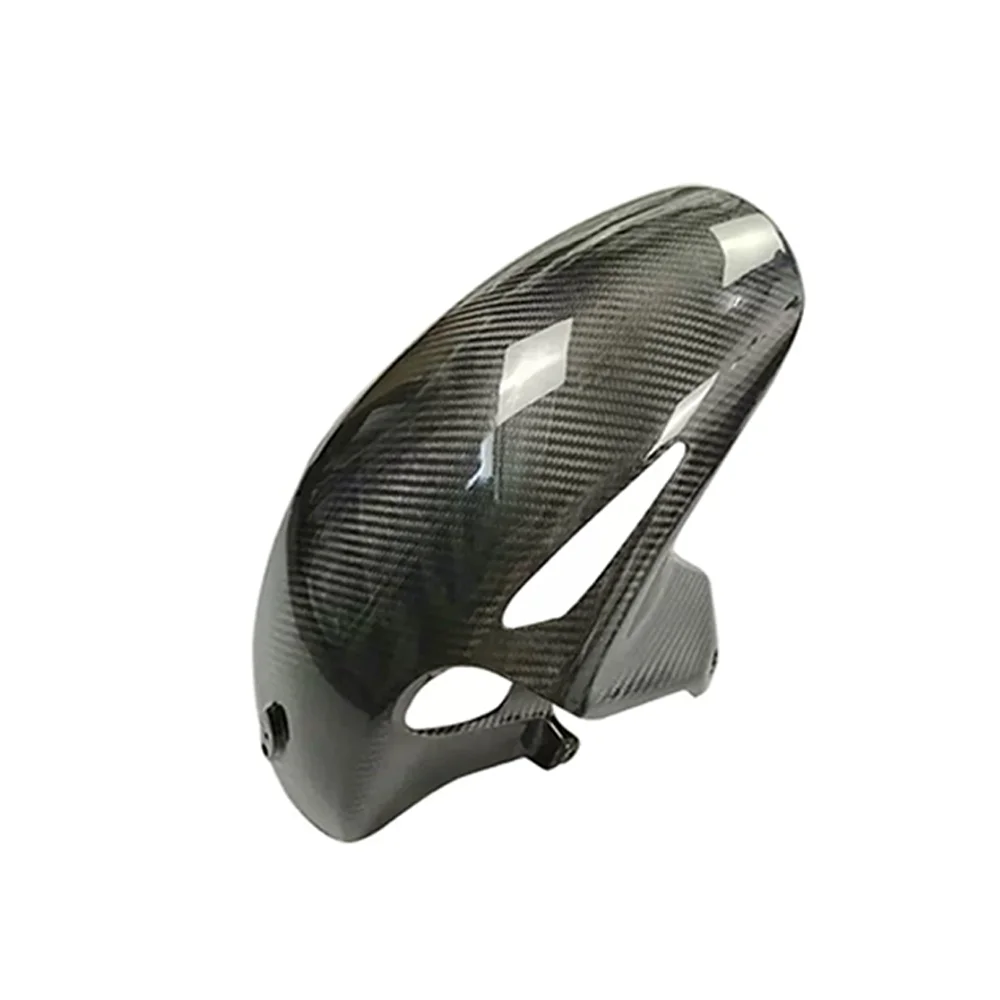
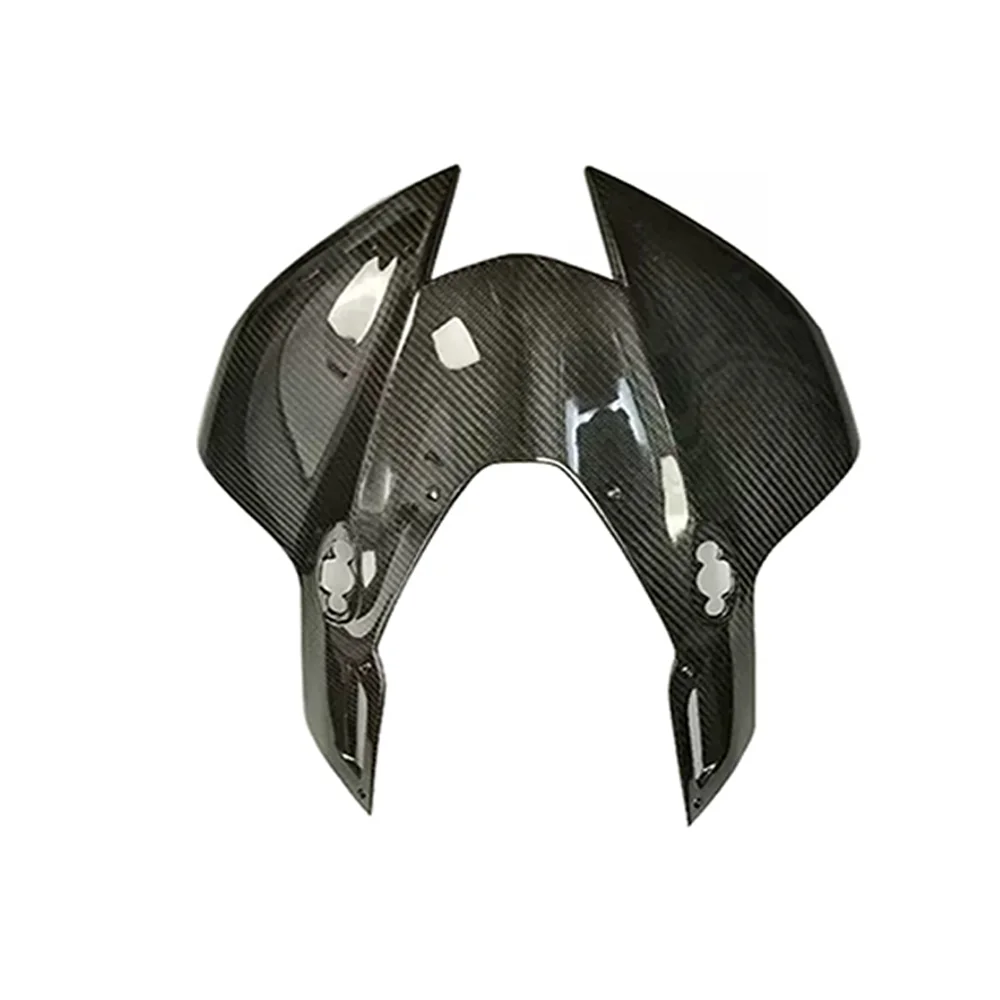
The carbon fiber drone shell market hit USD 4.2 billion in 2025 and is projected to reach USD 12.5 billion by 2032 — a 16.1% CAGR that outpaces almost every other segment. Every gram saved on the shell goes straight into flight time or payload. Replace plastic with CFRP, and you cut structural weight by 30% — that is 15–25 extra minutes in the air, or room for a LiDAR unit.
Stiffness and Corrosion Resistance
Carbon fiber shells are stiffer than plastic — less flex under aerodynamic loads, less vibration to the sensor bay. For mapping and inspection drones, that means cleaner images and more accurate point clouds. The material is also corrosion-resistant: salt spray, agricultural chemicals, and humidity do not eat into CFRP the way they corrode aluminum.
Two Production Routes
CNC-machined from pre-cured CFRP blanks for prototyping (no mold cost, fast turnaround), or compression-molded for production runs where per-unit price matters more than tooling investment. Both routes use the same aerospace-grade carbon fiber and inspection process. Send your 3D model — we handle the rest.
Specifications
| Specification | Details |
|---|---|
| Material | 3K / 12K Carbon Fiber + Epoxy Resin (CFRP) |
| Weave Pattern | Twill / Plain / Unidirectional / Spread Tow |
| Forming Process | CNC Machining (Prototype) / Compression Molding (Production) |
| Shell Thickness | 0.5–3.0 mm (Customizable) |
| Weight Reduction vs Plastic | Up to 30% Lighter |
| Surface Finish | Glossy / Matte / Painted / UV-Coated |
| Max Dimensions | Up to 3000 × 1500 mm (CNC) / Mold-Dependent (Molding) |
| Mold Type | CNC Fixture (No Mold) / Compression Mold (Production) |
| Drawing Formats | STEP, STP, IGS — flexible customization from 3D design drawings |
| Mold Lead Time | 3–5 Days (CNC Fixture) / 15–20 Days (Compression Mold) |
| MOQ | 1 Piece (CNC Prototype) / 100+ (Molded Production) |
Applications
- Industrial Inspection — Stiff CFRP shells cut vibration, giving LiDAR and thermal cameras cleaner data.
- Agricultural Spraying — Corrosion-resistant fuselage that withstands pesticides and salt spray for years.
- Delivery & Logistics — 30% lighter shell extends range or allows heavier cargo per flight.
- Surveying & Mapping — Aerodynamic smooth surfaces reduce drag, extending endurance by 15–20%.
- Military & Surveillance — Radar-absorbent layup options for low-observable platforms.
Why Choose YTCarbon
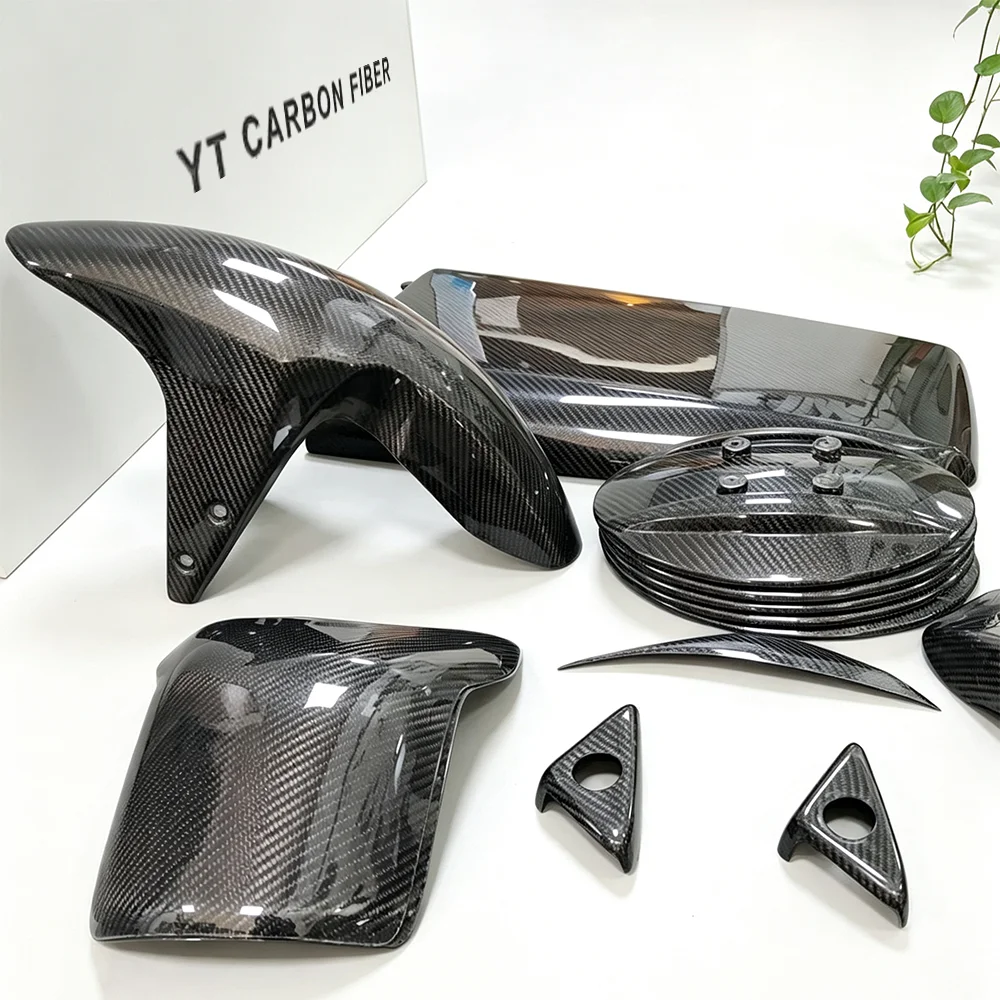
- Factory Direct Shells — We exhibited at the 2025 World UAV Expo — see what a real carbon fiber factory puts on the table. CNC and molding under one roof.
- Two Routes, One Quality — CNC for prototypes (no mold cost), compression molding for volume. Same inspection standard on both.
- 30% Lighter Than Plastic — More flight time, more payload, or both. Your call.
- Aerodynamic Surfaces — Smooth finishes with Ra under 0.8 µm reduce drag and improve stability at speed.
- Corrosion-Proof — Salt spray, ag chemicals, humidity — CFRP does not corrode. Period.
Certifications
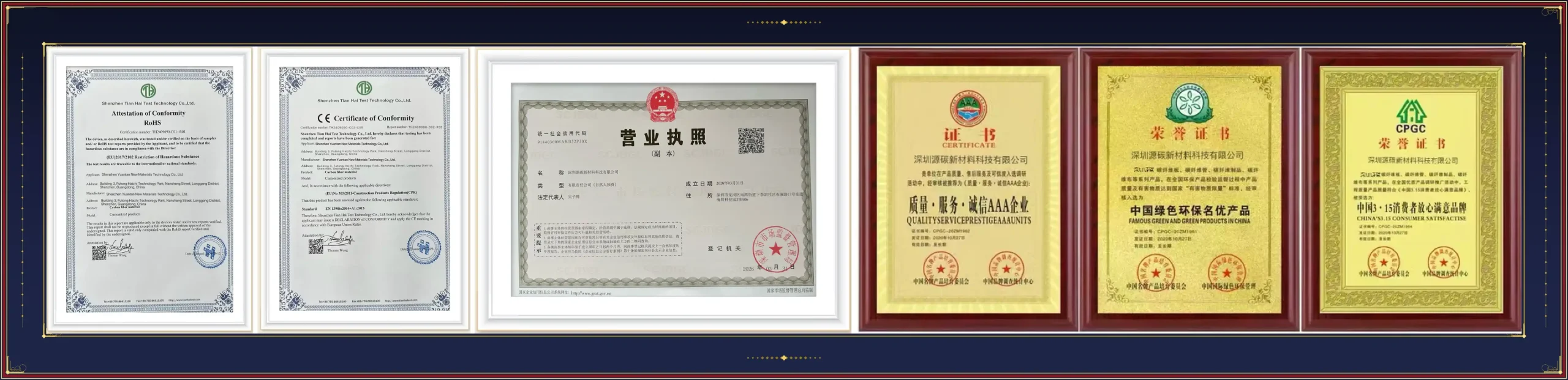
Every carbon fiber drone shell ships with dimensional inspection data and a material traceability report. Our facility holds ISO 9001:2015 certification. For military and defense applications, we can provide C-scan non-destructive testing results and radar cross-section characterization data on request.
How We Manufacture Your Carbon Fiber Drone Shell
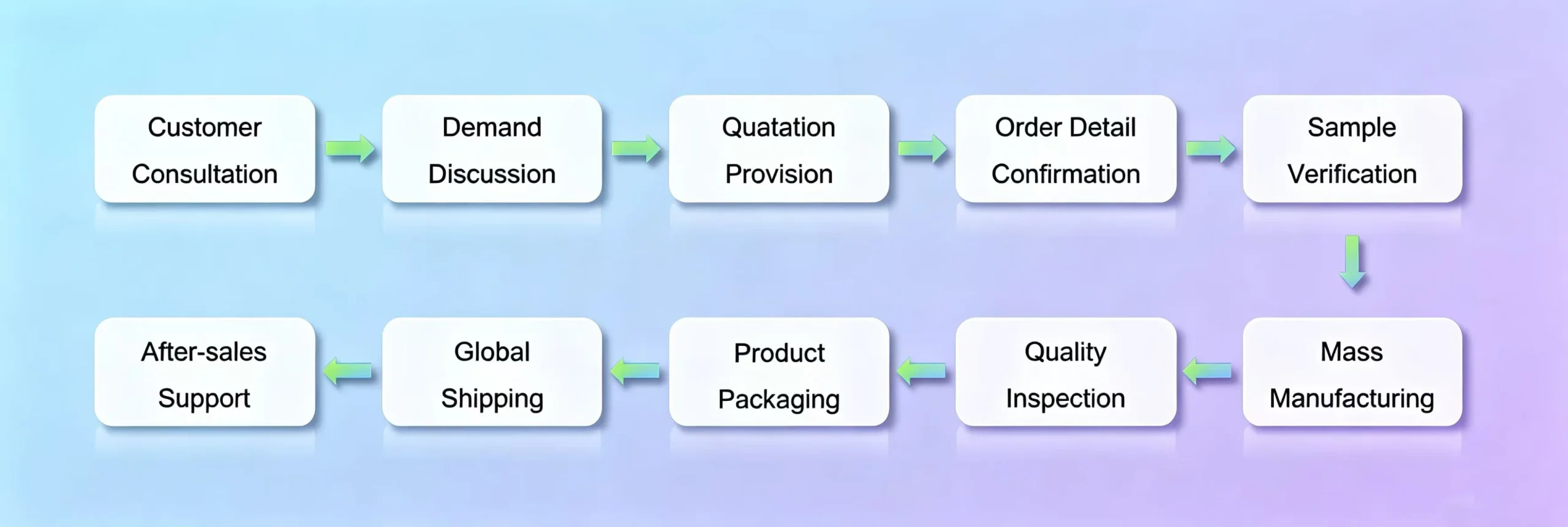
For prototypes and low volumes, we CNC-machine the shell from a pre-cured CFRP blank — no mold, no lead time, just send your 3D model and we cut it on our 5-axis center. For production quantities above 100 units, we build a compression mold and lay up the shell with prepreg or resin infusion, curing it under heat and pressure for a consistent, repeatable part. Both routes go through the same final inspection: dimensional check, surface quality audit, and weight verification before packing.
FAQ
+ How much flight time can a carbon fiber drone shell add compared to plastic?
+ Do I need a mold to produce a carbon fiber drone shell?
+ Can carbon fiber drone shells reduce vibration for better sensor data?
+ What shell thickness options are available for carbon fiber drone enclosures?
+ Is carbon fiber suitable for military and low-observable drone shells?
Need Custom Carbon Fiber Drone Shells?
30% lighter, vibration-damped, corrosion-proof. CNC prototype in 10 days, molded production at scale. Send your 3D model today.